



When you’re scrolling through bra options trying to find something that fits well and feels good to wear, the wireless bra vs underwire debate often comes up first. There’s no one universal “best” choice for every person, every outfit, or every day, and the right pick for you will depend on your comfort preferences, the activities you have planned, and how a specific style fits your unique body. This balanced guide walks through key differences between the two styles, no overblown claims or shaming, to help you make choices that work for you, with actionable fit tips you can use on your next shopping trip.
Before we dive into comparisons, it’s important to note that fit always varies by brand, style, and even fabric cut. A size you wear in one brand’s underwire bra may feel completely different in another brand’s wireless style, and that’s completely normal. We always recommend using our size guide as a starting point, not a hard rule, for every new style you try.
Core Differences Between Wireless and Underwire Bras
The most obvious difference between the two styles is structural design, but that design translates to different wear experiences for different people. There is no style that is inherently “better” — the goal is to match the bra’s design to what you need from it on a given day.
| Feature | Wireless Bras | Underwire Bras |
|---|---|---|
| Core structure | Shaping and support comes from seamed cups, wide bands, stretch fabric, and sometimes padded or molded cup layers, with no rigid wire under the bust | A thin, flexible wire runs along the underside of each cup, following the curve of the breast root to add structured lift and separation |
| Typical wear feel | Often described as feeling “like not wearing a bra” when sized correctly, with no rigid points digging into the ribcage or underarm | More defined shape and consistent lift throughout the day, when sized correctly, with structure that holds shape even as fabric stretches slightly with wear |
| Ideal for common use cases | Lounging at home, running low-impact errands, sleep (for sleep-specific styles), long travel days, and days when you prioritize zero-fuss comfort | Long work days, structured outfits, higher-impact daily movement, occasions where you want a defined silhouette, or when you prefer consistent lift over several hours of wear |
| Common fit challenges | Some styles may lack enough support for larger busts if the band is too thin, or may stretch out faster with frequent wear | Poorly fitted underwires can poke into the underarm, sit on breast tissue, or dig into the ribcage if the band size is too small or cup size is too large |
Comfort Comparison: What to Expect From Each Style
Comfort is deeply personal, so there is no objective winner when it comes to which style feels better. Many people rotate between both styles depending on their day, and that’s a completely normal, practical approach to building a bra wardrobe.
Well-fitted wireless bras eliminate the pressure points that some people experience with underwire, especially if they have sensitive ribcages, have recently had surgery (per your doctor’s guidance), or simply dislike the feeling of rigid structure against their skin. Modern wireless styles come in a huge range of support levels, from ultra-soft lounge bralettes to molded, high-support options that work for all-day wear, so you don’t have to sacrifice shape for comfort if you prefer no wires. If you’re exploring wireless options, you can browse our full range of styles in the bras category to find cuts that match your preferences.
Well-fitted underwire bras, by contrast, can feel just as comfortable as wireless styles for many people, especially if you are used to structured support. The key here is the fit: when an underwire sits correctly against your ribcage, following the natural curve of your breast root without pressing into tissue, it distributes support across the band rather than digging into your skin. Many people find underwire bras more comfortable for long days out, because the structure prevents the bra from shifting around as you move, so you don’t have to adjust it every hour.
Common Comfort Myths to Set Aside
- Myth: Wireless bras are always less supportive. A well-made wireless bra with a wide, snug band and structured seamed cups can offer plenty of support for daily wear for many people; support depends on construction, not just the presence of a wire.
- Myth: Underwire bras are always uncomfortable. Discomfort from underwire almost always comes from a poor fit, not the wire itself. If the wire is poking you, riding up your back, or digging in, it is a sign the bra does not fit you correctly, not a flaw of all underwire styles.
- Myth: You have to pick one style forever. There is no rule that says you can only wear wireless or only wear underwire. Many people keep both in their rotation: wireless for lazy weekends and travel, underwire for work and events, and even mix in other styles like soft bralettes or sports bras as needed.
Support Comparison: Matching Style to Your Needs
When people talk about bra support, they usually mean how well the bra holds breast tissue in place without bouncing, shifting, or putting strain on your shoulders. Again, support varies wildly based on construction, not just whether the bra has a wire, but there are general trends to keep in mind as you shop.
Wireless bras rely entirely on the band, cup seams, and fabric strength for support. For the best support in a wireless style, look for options with a wide, firm (but not tight) underbust band, adjustable straps, and seamed or molded cups rather than thin, single-layer stretch fabric. These construction details help hold shape over time and prevent the bra from stretching out after a few wears. Many people find wireless bras perfectly supportive for daily errands, office work, and casual outings, especially when fitted correctly.
Underwire bras use the rigid wire as part of their support structure, which helps lift breast tissue and separate it for a defined shape, even with thinner fabric. This structure makes underwire a popular pick for people who want consistent lift through long days, or who prefer the look of a more defined silhouette under fitted tops, blouses, or formal wear. It’s worth noting that even with an underwire, a properly fitted, snug band is core to overall support, as a loose band will make even the best underwire bra feel unsupportive and uncomfortable.
Practical Fit Advice for Both Styles
No matter which style you prefer, the right fit is the most important factor in how comfortable and supportive a bra will feel. Remember that every brand and style fits differently, so these steps are a starting point to check fit, not a guarantee of how any given size will work for you.
- Start with the band. The band should sit snug and level around your ribcage, parallel to the floor, without riding up your back when you lift your arms. You should be able to slide one finger under the band comfortably, but not pull it more than an inch or two away from your body. A band that is too loose will not provide support, no matter the style, and a band that is too tight will dig in and feel uncomfortable over time.
- Check the cup fit. Cups should fully contain your breast tissue without gaping at the top or cutting into tissue at the sides or top. For underwire styles, the wire should sit flat against your ribcage, directly against your breast root, not on top of breast tissue. For wireless styles, the cup edge should lie smooth against your skin without digging in or leaving deep marks after a few hours of wear.
- Adjust the straps last. Straps should be tight enough to stay on your shoulders without slipping, but not so tight that they dig in or pull the band up out of place. If you find yourself tightening straps all the way to get support, that is a sign the band is too loose, not that the straps need to be tighter.
- Test it with movement. When trying on a bra, bend forward, lift your arms, and walk around for a minute to see how it feels. If it shifts, pokes, or feels uncomfortable right away, it will not get better with a full day of wear.
Once you find bras you love, following our lingerie care guide will help them keep their shape and support for longer, so you get more wear out of every style you pick.
How to Build a Bra Collection That Works For You
You don’t need a dozen bras to have a functional collection, but having a few different styles on hand means you’ll always have something that fits your mood, outfit, and plans for the day. Many people start with 2-3 everyday styles that fit well, mixing wireless and underwire options to match different needs. You can even coordinate with pieces from our lingerie sets collection for days you want a matching, put-together feel without sacrificing comfort.
At the end of the day, the “right” bra is the one that you feel good wearing, regardless of whether it has a wire or not. There are no rules about what you should wear, and no reason to force yourself into a style that feels uncomfortable just because you think it’s the “correct” choice.
If you’re not sure where to start, try one wireless and one underwire style in the size that matches your measurements, use the fit checklist above to assess how they feel, and build your collection from there based on what you actually enjoy wearing.
Frequently asked questions
Can I wear a wireless bra every day?
Yes, as long as the wireless bra fits well and offers the level of support you need for your daily routine. Many people wear wireless bras daily without issues, especially when they choose styles with firm bands and structured cups that hold their shape over time.
Why does my underwire poke me under the arm?
Poking underwire is almost always a sign of fit mismatch, not a flaw in the bra itself. It usually means the cup size is too small, the band size is too tight, or the wire shape does not match the natural curve of your breast root. Trying a different size or style will usually resolve this.
Do wireless bras make breasts sag over time?
There is no universal evidence that wearing a wireless or underwire bra causes or prevents sagging, as breast shape changes over time due to a range of natural factors. The best choice for long-term comfort is to wear bras that fit well and feel supportive to you, regardless of wire presence.
How do I know if I should pick wireless or underwire for an outfit?
It depends on the silhouette you want and how long you’ll be wearing the outfit. Underwire bras often offer a more defined shape under fitted or structured clothing, while wireless bras work well under loose, casual, or loungewear pieces. You can always test both with your outfit to see which look and feel you prefer.
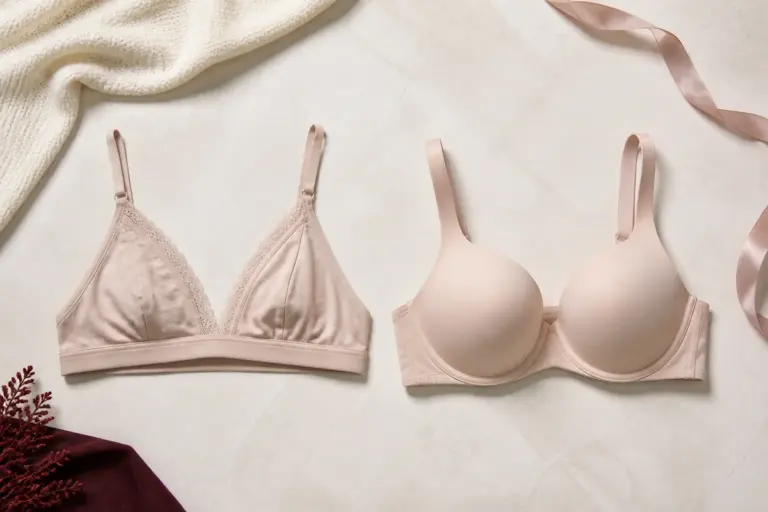 Bralette vs Bra: Comparing Structure, Coverage, Support, and Outfit Compatibility for Everyday Wear
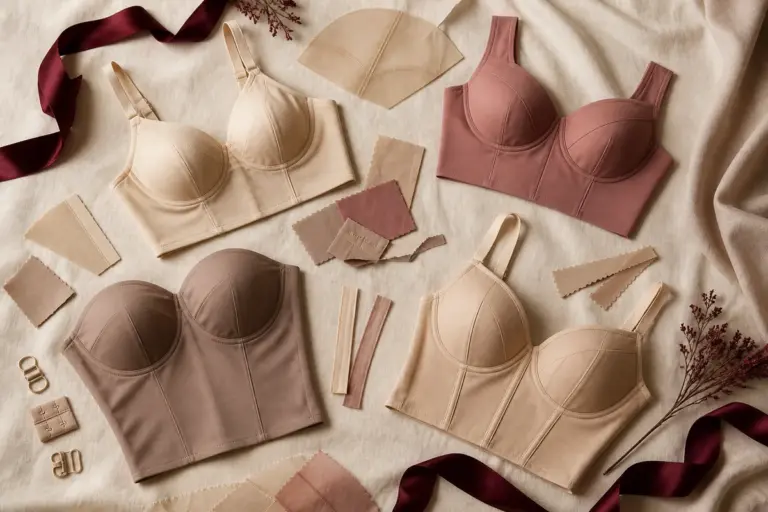 A Practical Guide to Types of Bras for Everyday Outfits & Needs