


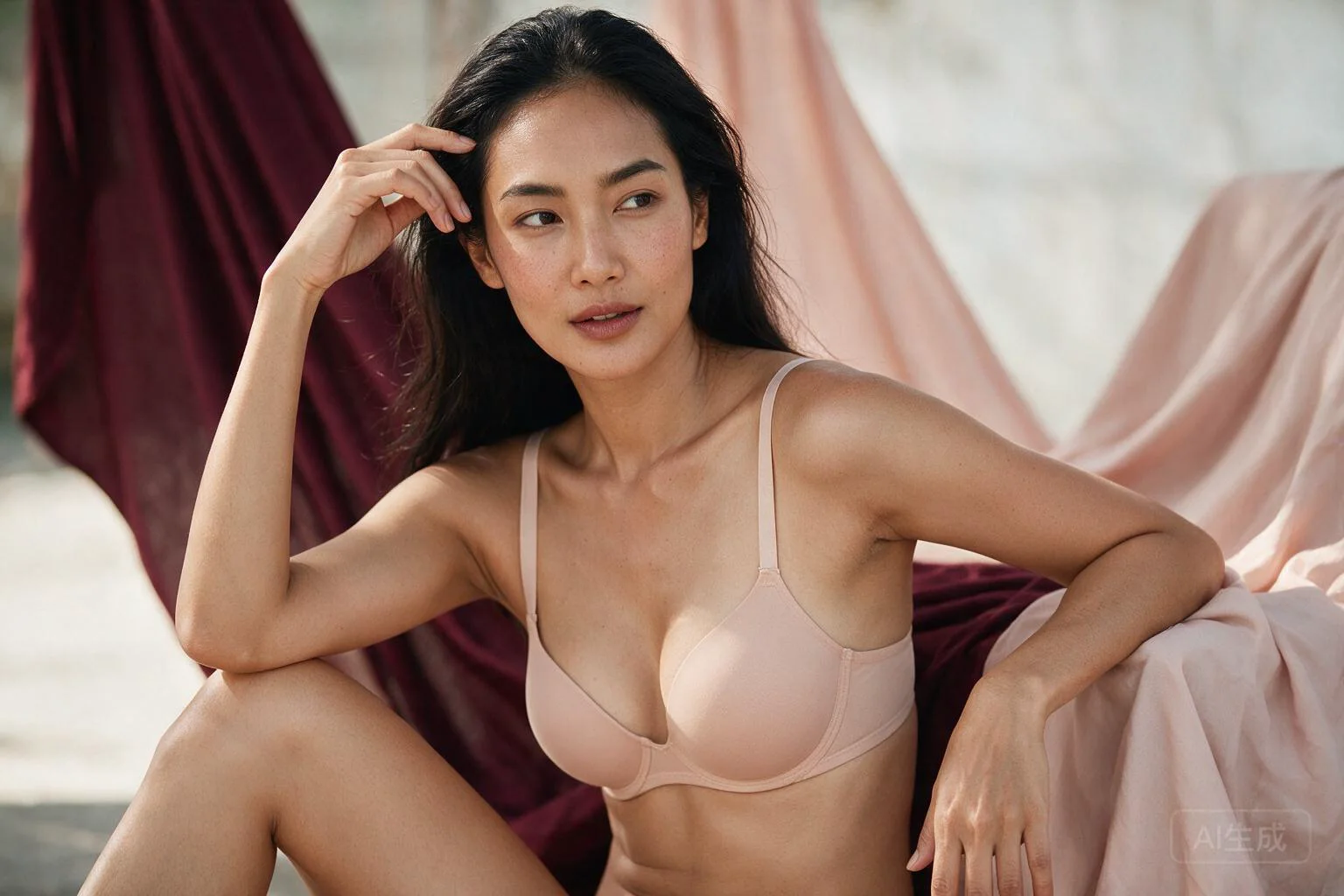
If you’ve ever left a lingerie store with a bra that felt great in the fitting room only to dig into your shoulders, gap at the top of the cups, or ride up your back after an hour of wear, you know how frustrating searching for bras for a fuller bust can be. Too often, shopping guides promise a single “perfect” style that works for everyone, but the truth is fit depends as much on your unique body shape as it does on the bra’s design, and sizing can vary widely between brands, fabric blends, and even individual styles from the same label. This guide breaks down the four core features to assess when trying on bras, so you can make choices that feel comfortable and supportive for you, without relying on universal guarantees.
Before diving into specific features, it helps to remember that size charts—including the one on our size guide page—are only a starting point. Your usual size in one brand may fit differently in another, especially when shopping across different cuts or fabric types, and that is completely normal. There is no “right” size to be, and fit challenges are never a reflection of your body; they are simply a sign that a particular bra’s design is not matched to your shape in that moment.
Start With the Band: The Foundation of Good Fit
Many people assume straps do most of the work of supporting a fuller bust, but the band actually carries the majority of the weight when a bra fits well. A band that fits correctly will sit level around your ribcage, parallel to the floor, without riding up your back or digging uncomfortably into your skin.
What to look for when assessing band fit
When trying on a new bra, fasten it on the loosest set of hooks first. Most bras stretch slightly with regular wear and washing, so starting on the loosest hook gives you room to tighten it over time without sacrificing fit early on. You should be able to slide two fingers flat under the band at the center front and center back, but not a whole fist—if you can pull the band more than an inch or two away from your body, it is too loose to provide consistent support.
Pay attention to the band width too. Wider bands tend to distribute weight more evenly across the ribcage for many people with fuller busts, but this is not a hard rule: if you have a shorter torso, a very wide band may feel restrictive or sit awkwardly across your back, while a narrower, firmly constructed band may feel more comfortable. The center front of the band (the gore, between the two cups) should sit flat against your sternum for most styles; if it floats away from your chest, the cups are likely too small or the band is too loose for your shape. It is worth noting that some plunge styles are designed with a shorter gore that may not sit fully flat, so always compare against the intended design of the style you are trying.
Cup Design: Volume, Coverage, and How It Aligns With Your Shape
Cup size is a measure of volume relative to band size, not a fixed measurement, which is why you may wear a different cup size across different band sizes or brands. When shopping for bras for a fuller bust, cup coverage and construction matter far more than the letter on the tag for getting a good fit.
Key cup features to test
First, check for gaping or spillover. Gaping at the top of the cups usually means the cup is too tall for your breast shape, not necessarily that you need a smaller cup size—for example, people with softer breast tissue or breasts that are fuller at the bottom may find full-coverage cups gap at the top even when the underwire and band fit correctly. Spillover over the top or sides of the cup can mean the cup volume is too small, but it can also mean the cup shape is too narrow for your root width, so sizing up in the cup may not fix the issue if the shape does not match.
Look for cups with seamed panels if you prefer more structured support; seamed cups are designed to shape and distribute breast tissue evenly for many wearers, though some people prefer the smooth look of seamless molded cups for wearing under tight clothing. If you opt for molded cups, press gently on the cup to make sure the shape matches your own—molded cups hold a fixed shape even when not being worn, so if the molded shape is rounder or more projected than your breast tissue, you may notice gaping no matter how you adjust the band and straps.
Underwire, when included, should sit flat against your ribcage all the way around the curve of your breast, from the center gore out to your underarm, without pressing into breast tissue or digging into your side. If the underwire sits on top of breast tissue at any point, that style is not a good match for your breast root shape, even if the size label matches your usual measurement. If you prefer wire-free styles, look for cups with reinforced side panels and firm (not constricting) fabric to provide structure without underwire, keeping in mind that wire-free bras may offer a different shape and level of hold than underwired options depending on the design.
Straps: Adjustability and Placement Over Width
It is common to see claims that wider straps are universally better for fuller busts, but strap comfort depends far more on adjustability, placement, and how well the band fits than on strap width alone. If your band is too loose, your straps will end up carrying all the weight of your bust, which can lead to shoulder discomfort no matter how wide the straps are.
When trying on a bra, adjust the straps so they sit snugly on your shoulders without digging in—you should be able to slide one finger under each strap comfortably. If you find yourself constantly tightening straps to keep the cups in place, that is a sign the band is too loose, not that the straps are poorly designed.
Pay attention to strap placement too. If you have narrow or sloped shoulders, straps that are set wide apart on the band may slip down frequently, even when adjusted correctly. Look for styles with closer-set straps or convertible strap options that let you crisscross them at the back if slippage is a common frustration for you. Wider straps can help distribute weight for some people, especially if you prefer a more lifted shape, but they may feel bulky if you wear a lot of narrow-neckline or sleeveless clothing, so prioritize what feels comfortable for your daily wardrobe over generic advice.
Cup Shape: Matching the Bra to Your Natural Silhouette
There are dozens of common cup shapes, from plunge to balconette to full coverage, and no single shape works for every person with a fuller bust. The right cup shape for you will depend on your breast shape, your clothing needs, and the level of coverage you prefer.
Below is a quick reference checklist to test how a cup shape matches your needs when trying on styles, available to browse in our full bra collection:
| Cup Shape | What to Test for Fit | Best For (personal preference) |
|---|---|---|
| Full coverage | No gaping at the top edge; underwire sits fully around breast tissue; band stays level | High necklines, all-day wear, people who prefer minimal bounce during daily activity |
| Balconette | Cups lift without cutting across breast tissue; straps sit far enough out to not slip; no spillover at the neckline | Wide or square necklines, people who prefer a more open neckline without a deep plunge |
| Plunge | Center gore sits low without pressing into breast tissue; no spillover at the center or sides | Low-cut tops and dresses, people who prefer a closer fit at the center front |
| Wire-free bralette | Fabric holds breast tissue without squishing; band stays in place without riding up; no pinching at the underarm | Lounging, sleep, casual wear, people who prefer no underwire |
Remember, this table is only a guide—you may find that a balconette style from one brand fits perfectly, while a balconette from another brand cuts into your tissue or gaps at the top, even in the same labeled size. That variation is normal, and it is not a sign you are measuring yourself wrong; different brands design for different shape preferences, so it is always worth trying a style on if you can, or checking return policies when shopping online.
Small Checks That Make a Big Difference
Before you decide a bra is a good fit, take a minute to move around in it: bend forward, lift your arms over your head, sit down, and twist gently from side to side. The band should stay in place, the cups should hold their position without shifting, and you should not feel any pinching, digging, or pressure that would get uncomfortable over a few hours of wear. If you plan to wear the bra for long days at work, running errands, or spending time with friends, that quick movement test can help you spot fit issues that are not obvious when you are standing still in a fitting room.
It is also worth remembering that your bra size can shift over time due to hormonal changes, weight fluctuations, pregnancy, or even changes in your regular workout routine, so it is normal to need to reassess your fit every six to twelve months, rather than sticking to one size forever. When you bring new bras home, follow the guidance on our lingerie care guide to help them keep their shape and fit for longer, as improper washing can stretch bands and warp cups faster than regular wear. If you are looking for a coordinated look, you can also explore matching options across our lingerie sets collection, though you should always fit the bra first before selecting a matching panty, since bra fit is far more individualized than panty fit for most people.
There is no universal “best” bra for everyone with a fuller bust, and any guide that promises a single style that works for all shapes is missing the point of good fit. The right bra for you is the one that feels comfortable, stays in place through your regular daily activities, and matches the shape and coverage you prefer, regardless of what the size tag says or what trends say you should wear. When you are ready to start testing styles, begin with your measured size as a starting point, plan to try two to three different shapes from a brand to see what matches your shape best, and give yourself time to adjust to the feel of a new bra before deciding if it works for you.
Frequently asked questions
How often should I replace my bras for a fuller bust?
There is no set timeline for replacement, but you will know it is time for a new bra when the band no longer stays snug even on the tightest hook, the cups are warped or stretched out, or the straps no longer stay adjusted even after you tighten them. How long a bra lasts depends on how often you wear it, how you care for it, and the fabric it is made from.
Can I wear unlined bras if I have a fuller bust?
Yes, if that is the style you prefer. Unlined bras come in a range of constructions, from soft bralettes to structured underwired styles, so you can test options to see if they provide the level of coverage and hold you are comfortable with. Just keep in mind that unlined cups do not have a fixed molded shape, so fit will depend on how the fabric sits against your unique shape.
Why do I wear a different size in different bra brands?
Sizing varies between brands because each label uses different fit models, block patterns, and design priorities—some brands design for more projected breast shapes, others for wider root shapes, and band stretch can vary between fabric blends. This variation is completely normal, so it is always best to check a brand’s specific size chart and read fit notes for individual styles rather than relying only on your usual size.
Do I need a sports bra if I have a fuller bust?
That depends on your personal comfort during activity. If you find regular bras feel too bouncy or uncomfortable when you walk, exercise, or do daily chores, a sports bra designed for your preferred level of activity may feel more supportive. There is no requirement to wear a specific style, so choose what feels best for your body and your routine.
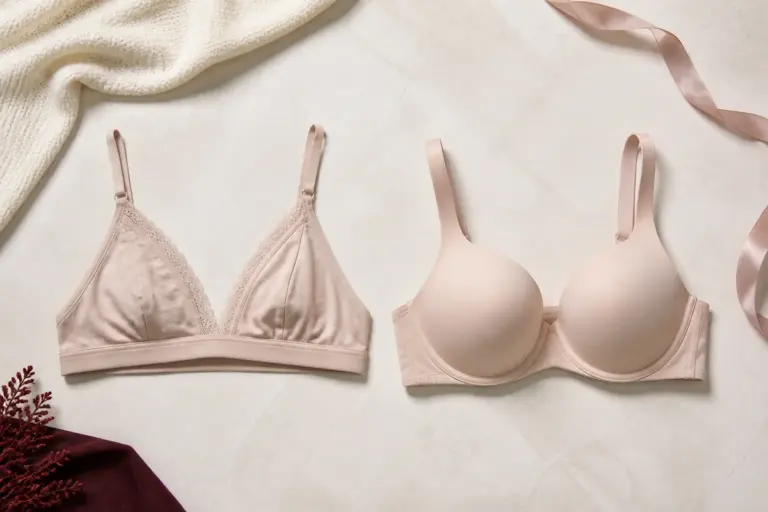 Bralette vs Bra: Comparing Structure, Coverage, Support, and Outfit Compatibility for Everyday Wear
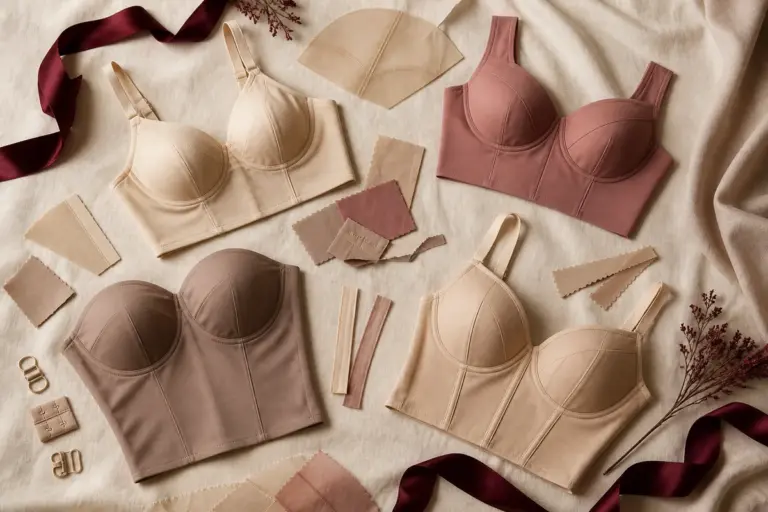 A Practical Guide to Types of Bras for Everyday Outfits & Needs
 Wireless Bra vs Underwire: Balanced Comfort and Support Comparison With Fit Tips