


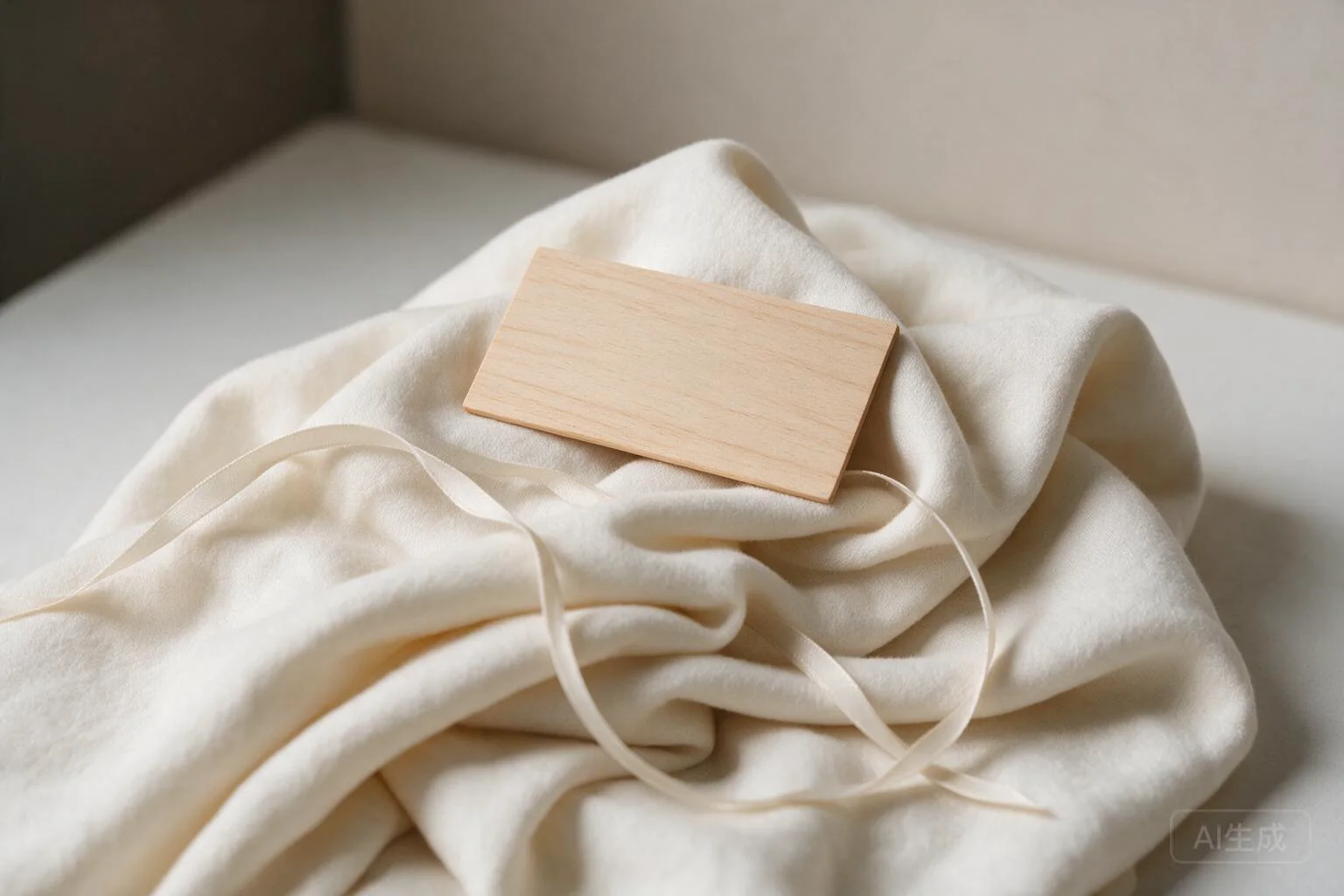
Knowing how to avoid visible panty lines starts with a simple shift in approach: instead of hiding your shape, choose underwear that works with your outfit, fabric, and comfort. In Thailand’s warm climate, many everyday outfits are made from lightweight jersey, cupro, rayon, fine cotton, or draped silk. These fabrics can feel wonderful, but they may also follow the body closely and reveal the edge of underwear more easily. The goal here is not to promise that one pair will be invisible on every body. Instead, this guide shows how garment fabric, underwear cut, edge construction, colour, and fit can all reduce visible lines while keeping you comfortable.
Start With the Outer Garment Fabric
Visible lines are usually created by contrast: a thicker edge or seam underneath a thin, close-fitting outer layer. Before changing your underwear, look at the outer garment. Clingy, light-coloured, or high-stretch fabrics tend to show more detail underneath. Textured, patterned, lined, or heavier fabrics tend to break up the outline and make edges less obvious. In a hot and humid climate, you do not need to avoid lightweight clothing. You can simply choose smoother underwear edges or add a light lining when the outfit allows.
- Jersey, ribbed knits, fine viscose, and lightweight silk often drape closely and may reveal seams or elastic.
- Crepe, smocking, textured lace, denim, jacquard, and pleated fabrics usually reduce visible lines because the outer surface is already busy.
- Lined skirts, dresses, and trousers add an extra layer that softens the transition between skin and underwear edge.
Choose Underwear Cuts That Work With Your Outfit
The cut of your underwear changes where edges sit. There is no single best cut for everyone, and fit will vary by brand and style. Start by thinking about where the line is most likely to appear under your specific outfit: at the hip, across the centre of the bottom, or at the waistband. Then choose a cut that reduces edges in that area. You can explore different shapes in our panties collection.
- High-cut brief or French-cut brief: Leg openings sit higher on the hip, which can help them align with the natural crease of the body under many trousers and skirts.
- Thong or G-string: Removes most back coverage edges, but the side straps or waistband may still show if they are thick, too tight, or contrast strongly with the skin.
- Seamless hipster or brief: Often made with smoother fabric and fewer trims, which can be a good middle ground for everyday wear.
- Boyshort: Can reduce the centre-back line, but the leg-band edge may sit lower on the bottom and become visible under closer-fitting clothes.
Because brands construct cuts differently, the same name—such as “hipster” or “brief”—may fit differently between labels. Use the product’s own images and measurements as a starting point, not a universal rule.
How to Avoid Visible Panty Lines With Edge Construction
After cut, the edge construction is often the single most useful detail to check. Edges with thick fold-over elastic, dense stitching, or raised trims create more of a step under thin fabric. Edges that are cut without a folded hem, or joined with a flat seam, sit closer to the body and may feel smoother under clothing.
- Laser-cut or bonded edges: These edges are cut cleanly and often have no folded fabric or stitched hem. They tend to be the smoothest option under clingy outfits, provided the fit is snug without squeezing.
- Flatlock seams: A flatlock seam lies flatter than a standard overlock seam, but it can still leave a slight ridge under very thin or shiny fabric.
- Folded elastic or picot trim: This type of edge is more textured and may show through lightweight silk, rayon, or fine jersey. It can be lovely for relaxed fits or textured outerwear.
- Labels and interior details: Printed or label-free designs remove one small ridge. If a care label sits at the waistband or side seam, it may create a bump under close-fitting clothing.
How you care for no-show edges also matters. Gentle washing and air drying can help elastic and bonded edges keep their shape and remain smooth longer. See our lingerie care guide for practical care habits.
Colour and Opacity: Reduce Contrast, Not Just Coverage
Colour choice changes visibility because contrast draws the eye. Under white or light-coloured clothes, a skin-tone shade close to your own skin often shows less than pure white, because white underwear can appear as a bright shape behind the fabric. Under dark clothes, black or deep neutral shades may blend more easily. However, the actual result depends on how opaque the outer fabric is and how close the underwear colour is to your skin.
| Outer garment | Underwear colour to try | Why it may help |
|---|---|---|
| White or very light | Skin-tone close to your own depth | Reduces contrast between the underwear and your skin |
| Black or dark | Black or a deep neutral | Blends with the dark outer layer instead of standing out |
| Bright or patterned | Skin-tone or a tone matched to the background | Pattern can distract, but a high-contrast edge may still show |
| Sheer or semi-sheer | Skin-tone, ideally with a lined outer garment or slip | Adds opacity without relying only on underwear |
There is no universal nude that works for everyone. Your skin tone is the reference point, and it may change with the season or lighting. If possible, check the colour in natural light against your inner wrist or hip, not under artificial fitting-room light alone.
Fit Checks: The Step That Prevents Most Visible Lines
A smooth edge can still show if the underwear is too tight or too loose. When the leg opening or waistband grips too firmly, it may create a visible indentation. When the fabric shifts or rolls, it may create a second edge. Fit is not a comment on your body; it is simply how the garment’s measurements and stretch interact with your shape.
Because sizing varies by brand and style, treat every size chart as a starting point. A size M in one brand may fit closer to an S or L in another. Always check the specific product’s size guide before switching labels. Our size guide can help you compare measurements, but it cannot replace how a garment feels in motion.
- Waistband: It should stay in place without rolling, sliding, or leaving deep marks after a short wear test.
- Leg openings: They should follow the natural crease of the hip without pressing sharply into the skin.
- Back coverage: If the back edge cuts across the fullest part of the bottom, it may create a line under closer fits.
- Fabric stretch: If the fabric looks overstretched or the seams pull, consider trying a different size or cut.
When trying underwear, move the way you actually move through a day: sit, stand, bend, walk, and check the silhouette in natural light from a few angles. A fit may feel smooth standing still but shift when you sit down.
Quick Fabric and Edge Guide
Use this table as a general reference when comparing underwear details. It is not a guarantee, because outer fabrics and bodies change the result.
| Underwear edge or fabric detail | How it tends to behave under clothing | Best for |
|---|---|---|
| Laser-cut or bonded microfibre | Low-profile edge with no folded hem; often the smoothest under thin knits | Closely fitted dresses, fine jersey, light trousers |
| Flatlock seamed cotton or modal | Soft against the body but may leave a slight ridge under very clingy fabric | Everyday wear under structured or medium-weight clothing |
| Folded elastic with picot trim | More textured edge; may show through lightweight silk or rayon | Relaxed fits, textured outerwear, or lined garments |
| Lace waistband or edging | Beautiful but often textured and may create visible detail | Lined outfits, textured fabrics, or styling where edge detail is intentional |
A Practical Checklist for Smooth Styling
When you are deciding what to wear, this checklist can help you identify the easiest adjustment first.
- Check the outer fabric: is it thin, clingy, light-coloured, or lined?
- Identify where a line is most likely to appear: hip, back, waist, or side seam.
- Choose a cut that reduces edges in that area instead of assuming a thong is the only answer.
- Run a finger over the underwear edge: can you feel a raised seam, fold, or label?
- Match underwear colour to your skin tone or the depth of the outer garment.
- Try the movement test: sit, bend, walk, and check in natural light.
- If the fit digs, rolls, or shifts, try a different size or cut rather than a smaller size.
Next step: choose one pair in a fabric and cut you already trust, wear it under the most clingy piece in your wardrobe, and move naturally. If it feels comfortable and looks smooth to you, that is the right starting point. From there, you can refine the details—edge finish, colour, and size—one outfit at a time.
Frequently asked questions
Are seamless panties always no-show?
Not always. Seamless refers to construction, but fit, outer fabric, colour, and edge tension still affect visibility. A snug but comfortable fit and a low-profile edge usually work better than the word “seamless” alone.
What colour underwear should I wear under white pants in Thailand’s bright light?
A skin-tone shade close to your own skin often creates less contrast than white. Check the colour in natural light against your hip or inner wrist, and consider a lined or slightly opaque bottom if the fabric is very sheer.
Do thongs completely prevent visible panty lines?
They reduce the back horizontal line for many people, but side straps or a tight waistband can still show under thin fabric. Fit and edge thickness matter as much as the cut.
How do I know if my underwear is too tight?
Look for deep marks after a short wear, pinching at the leg opening, a waistband that rolls, or fabric that looks overstretched. If those appear, try a different size or style rather than assuming the cut is wrong.
 Robe vs Kimono Sleepwear: Cut, Sleeve, Closure, Fabric and Layering
 How to Style Sheer Lingerie: Tasteful Layers and At-Home Looks
 Three Piece Lingerie Set Guide: How to Wear and Style Sets