


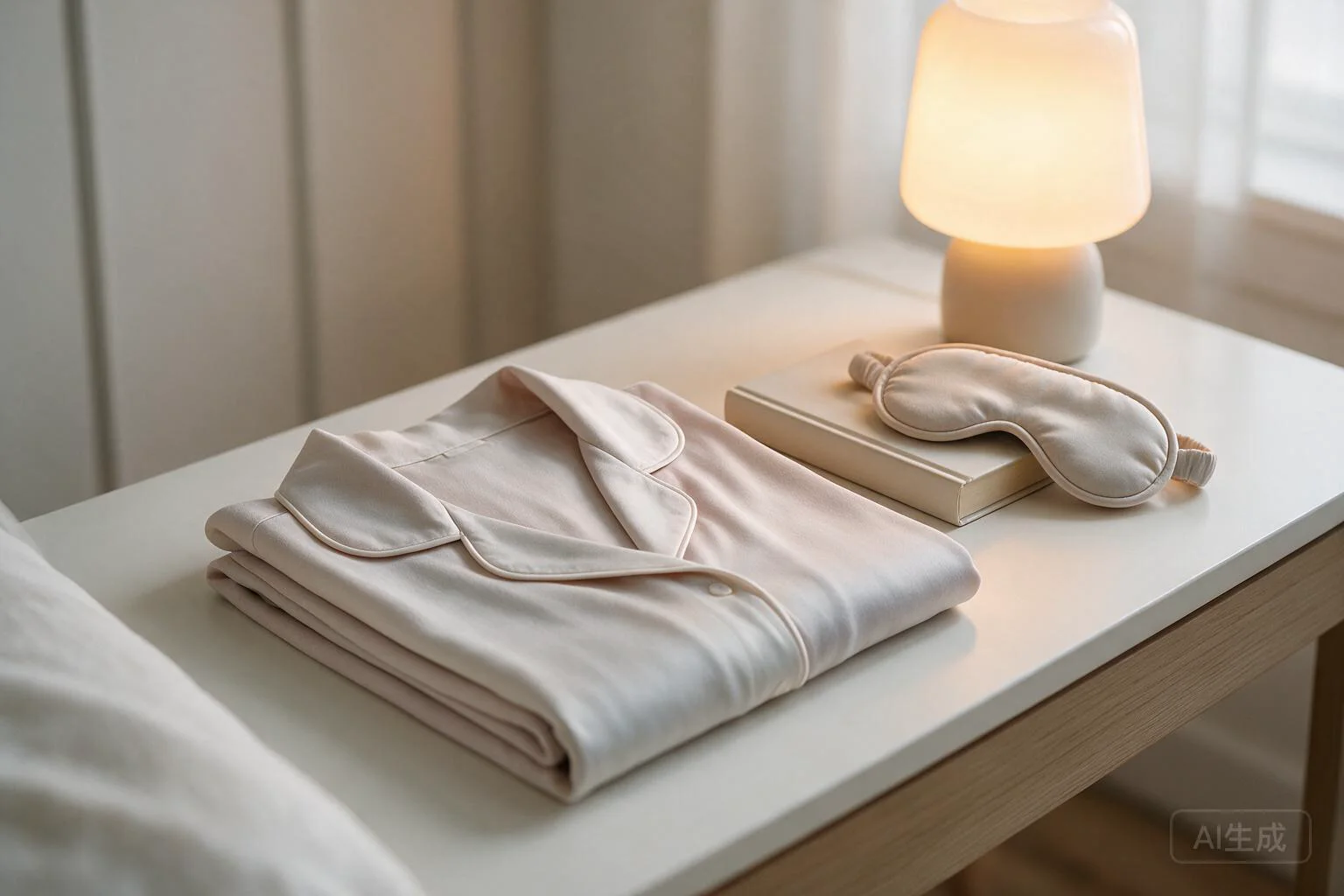
When you are comparing robe vs kimono sleepwear, the difference is rarely about one being better or more attractive. It comes down to how the garment is cut, how the sleeves fall, whether it closes around the body, what fabric it uses, and how it layers over your existing sleepwear. Many shoppers ask this question when choosing a top layer for warm nights, cool air-conditioned bedrooms or slow morning routines. This guide keeps the comparison practical, body-neutral and focused on fit and styling rather than rigid rules.
Robe vs Kimono Sleepwear: Cut, Closure, Fabric and Fit
Because fashion terms vary by brand, there is no single definition that fits every style. In general, a robe reads more structured and wrapped, while a kimono reads more open and draped. The comparison below is a starting point, not a promise about every item you will see.
| Feature | Robe sleepwear | Kimono sleepwear |
|---|---|---|
| Cut | Wrap front, often A-line or straight, with a shawl or notched collar; length varies | Open-front column or slight A-line, softer shoulder, often no lapel; length varies |
| Sleeve | Set-in or raglan, full-length or three-quarter, sometimes cuffed or banded | Wide, flowing or dropped-shoulder, often unfitted and easy to push up |
| Closure | Usually an inner tie plus outer belt for a secure wrap | Often no closure, or a light sash worn loosely; open drape is the point |
| Fabric | Cotton, modal, brushed jersey, lightweight flannel, satin or lace-trimmed knit | Silk-like satin, chiffon, viscose, cotton voile, mesh or lace; often lighter |
| Layering | Adds a neater wrapped layer over pyjama sets, slips or lounge separates | Adds movement and a lighter touch over camisoles, slips, or bra and panty sets |
Cut and Silhouette: Where the Difference Starts
A robe usually has a wrap front, a collar and a defined waist tie. The cut often falls from the shoulders into an A-line or straight shape. That structure can make a robe feel like a true cover-up after a bath or shower, especially when the fabric has a little body. Because the wrap front overlaps, the amount of coverage is adjustable within the range the fabric allows. A robe with a notched collar can frame the neck and create a more traditional loungewear look, while a simple shawl collar often feels softer.
A kimono sleepwear style usually follows the borrowed-from-the-kimono-sleeve idea rather than a traditional Japanese garment. It tends to have a straight or slightly flared body, an open front and a less constructed shoulder. Many lingerie kimonos are shorter, hip-length or mid-thigh, which can make them feel more like a light third piece over a camisole and shorts. Others are floor-length and fluid. Because the front is open, the silhouette follows your movement instead of holding everything in place.
Neither cut is universally more flattering. The best shape depends on how much coverage you want, how you move, and what feels comfortable against your skin. If you prefer a wrapped line, a robe may feel more familiar. If you prefer a layer that moves with you and does not add too much structure, a kimono may feel easier.
Sleeve Shape: Fitted Cuff vs Flowing Drape
Sleeve shape changes how a layer feels during daily movement. A robe often has a sleeve that is set into the shoulder, with a cuff or band at the wrist. This can make it easier to roll the sleeves once and keep them out of the way when washing your face, making coffee or reaching for something. A three-quarter sleeve can feel cooler than a full-length sleeve and may sit neatly under a robe belt without extra bulk.
A kimono sleeve is typically wider from the underarm to the wrist, cut as an extension of the body rather than a separate fitted sleeve. It may have a dropped shoulder or a dolman-like shape. The effect is soft and airy, which many people enjoy in warm weather. The trade-off is that a very wide sleeve can slide forward or trail into water if you lean over a sink. That is not a flaw; it is just a style trait to consider.
If you want to compare sleeve fit, look at the garment measurements for sleeve length and, if listed, cuff width. Because each brand drafts differently, a free size kimono and a medium robe can sit very differently on the arm.
Closure and Waist: Belted Wrap vs Open Drape
A traditional robe wrap has two parts: an inner tie that closes the front against the body, and an outer belt that shapes the waist. This double closure gives a secure, adjustable fit without buttons or zips. It also means you can loosen the belt when you want more air, or tie it snugly when you want more coverage. The belt position can sit higher or lower depending on your torso length, so checking the belt loop placement on a product photo is useful.
A kimono sleepwear piece often has no true closure. Some styles include a light sash or belt loops, but the front is designed to drape open. This openness works well over a delicate lingerie base because it does not compress lace, trims or bralette straps. If you want a layer that stays closed while you move around, a robe is usually the more practical choice. If you want an easy on-off layer that reveals the outfit underneath, a kimono may be more your speed.
Fabric and Weight: What to Expect in Warm Weather
Fabric is where the robe vs kimono sleepwear comparison often becomes very personal. Robes can be made from soft cotton terry, brushed jersey, modal, satin or lace-trimmed knits. Many everyday robes have more weight because people often wear them after bathing or in cooler rooms. Kimonos, especially lingerie kimonos, are often made from lighter materials such as silk-like satin, chiffon, viscose, mesh or cotton voile. The lighter drape tends to feel less enclosing in a warm or humid climate, but a breathable cotton robe can also be comfortable.
In Thailand, indoor air conditioning can make a heavier fabric pleasant at night, while an unlined open-weave layer may feel better during the day. The most useful approach is to read the fabric content and, if possible, feel the material. Smooth satin may feel cool at first touch but can hold heat more than open-weave cotton for some people. Because personal temperature preference varies, it helps to choose one robe or kimono in a breathable fabric first and notice how it feels over your usual sleepwear.
How Each Layers Over Sleepwear
How a robe or kimono layers over your base depends on the base layer itself. A slip or nightgown has a smooth line, so a structured robe can add a wrapped outer layer without catching. A camisole and short set may feel balanced under a kimono because the open front keeps the set visible. A padded or lace bra and panty set may feel less bulky under a lighter kimono, while a soft jersey robe may feel more covered for lounging.
Use this simple checklist when trying a layer:
- Put on the base layer you plan to wear most often.
- For a robe: close the inner tie, then the outer belt. Move your arms forward, reach up, and sit down to see where the fabric pulls.
- For a kimono: leave the front open or use a light sash. Check whether the shoulder stays comfortable and whether the sleeve feels easy or gets in the way.
- Look at the hem length relative to your base. A mid-thigh kimono may feel light over a matching short set, while a knee-length robe may offer more coverage over a slip.
- Pair textures intentionally: a smooth silk-like kimono can contrast with lace, while a soft cotton robe can soften a glossy satin slip.
There is no need to match every fabric. A small amount of contrast in shine, lace or trim often makes a bra and panty set feel intentional as a layered look.
How to Choose Between a Robe and a Kimono
Try this step-by-step approach when choosing between the two.
- Think about when you will wear it. A robe is often useful after bathing, before bed or on a cool air-conditioned morning. A kimono is often useful as a light styling layer over intimate apparel or pyjamas.
- Decide how much closure you need. If you want the front to stay wrapped, choose a robe with an inner tie. If you prefer an open drape, choose a kimono.
- Consider sleeve length and width. Cuffed robe sleeves can feel more practical. Wide kimono sleeves can feel more expressive but less contained.
- Check fabric weight. In warm weather, a breathable cotton or viscose robe or a lighter silk-like kimono may feel more comfortable than a thick brushed fabric.
- Look at the product description and size chart. Cut, length, belt placement and sleeve width are not standard across brands.
If you are still unsure, think about your favourite sleepwear base. If you usually wear pyjama sets and like to feel tucked in, start with a robe. If you usually wear slips, camisoles or lingerie sets and like to keep the look visible, start with a kimono.
Sizing and Fit: A Starting Point, Not a Promise
Robe and kimono sizing is not standard. A free size kimono may be cut narrow through the shoulder on one brand and oversized in another. A medium robe may measure larger than a large robe from a different line. For that reason, treat every size chart and conversion as a starting point only. No single region, brand family or fabric type fits the same across all labels.
Before ordering, check these measurements where available:
- Bust or chest: measure over the base layer you plan to wear.
- Hip: useful for robe lengths that wrap below the hip or for shorter kimono styles with less flare.
- Sleeve length and cuff: important if you dislike sleeves that ride up or fall past the wrist.
- Garment length: check from shoulder or side seam, depending on how the brand lists it. Length can change where the layer hits relative to your sleepwear hem.
- Belt or sash length: if you want a full wrap, make sure the outer belt has enough length for the closure you prefer.
When between sizes, decide based on ease. A closer size may feel neater under a robe belt; a larger size may add drape in a kimono but can also widen the shoulder or lengthen the sleeve. If you are unsure, read the brand’s size guide and, where possible, compare the garment measurements to a robe or kimono you already own.
Quick Care Notes to Keep the Drape and Stitching
How you care for a robe or kimono affects the drape more than the silhouette itself. Many lightweight kimonos and lace-trimmed robes do best with a gentle cold hand wash or a cold machine wash inside a mesh bag. Avoid wringing the fabric, especially if it has lace, silk-like satin or delicate trims. Press out water gently in a towel and dry flat or on a padded hanger away from direct heat. Fasten any hooks or buttons before washing, and keep the belt or sash together with the garment by threading it through a belt loop or placing it in the mesh bag.
For more detailed wash and storage guidance, visit our lingerie care guide. Care results vary by fabric, so always follow the label on the garment.
Your Next Step: Try One Layer at a Time
You do not need to buy a full wardrobe at once. Choose one robe or kimono based on the main sleepwear pieces you already own, then test it over two or three different bases. Notice where the sleeves fall, whether the closure stays comfortable, and whether the fabric feels easy for the temperature of your room. That practical test will tell you more than any universal rule. When you are ready to explore options, start with the sleepwear collection.
Frequently asked questions
Can a kimono sleepwear style be worn as a robe if it has a belt?
Some kimonos include a lightweight belt, but they are usually still cut with a looser open front and wider sleeves than a structured robe. The belt can add light shaping, but it may not provide the same secure wrap closure as a robe with an inner tie.
Which fabric feels cooler for sleepwear layering in Thailand?
Many people prefer lightweight, breathable fabrics such as cotton voile, viscose, silk-like satin or open-weave cotton. A looser kimono or lightweight robe can feel more comfortable in warm humid weather, but individual preference and indoor temperature matter.
Should I size up in a robe or kimono if I want an oversized fit?
It depends on the brand and style. Check the specific garment measurements for bust, hip, sleeve length and body length. Choosing a larger size usually adds more drape and length, but it can also make sleeves or shoulders too large, so review the size chart each time.
Can I wear a robe or kimono over a bra and panty set without a slip?
Yes. A softly draped kimono works well over a matching bra and panty set because the open front keeps the look light. A lightweight robe can also work when belted loosely, but heavier fabrics may hide the set more. Choose whichever gives the coverage and ease you want.
 How to Style Sheer Lingerie: Tasteful Layers and At-Home Looks
 Three Piece Lingerie Set Guide: How to Wear and Style Sets
 How to Choose Bridal Lingerie That Works With Your Outfit, Feels Great, and Fits Your Style