


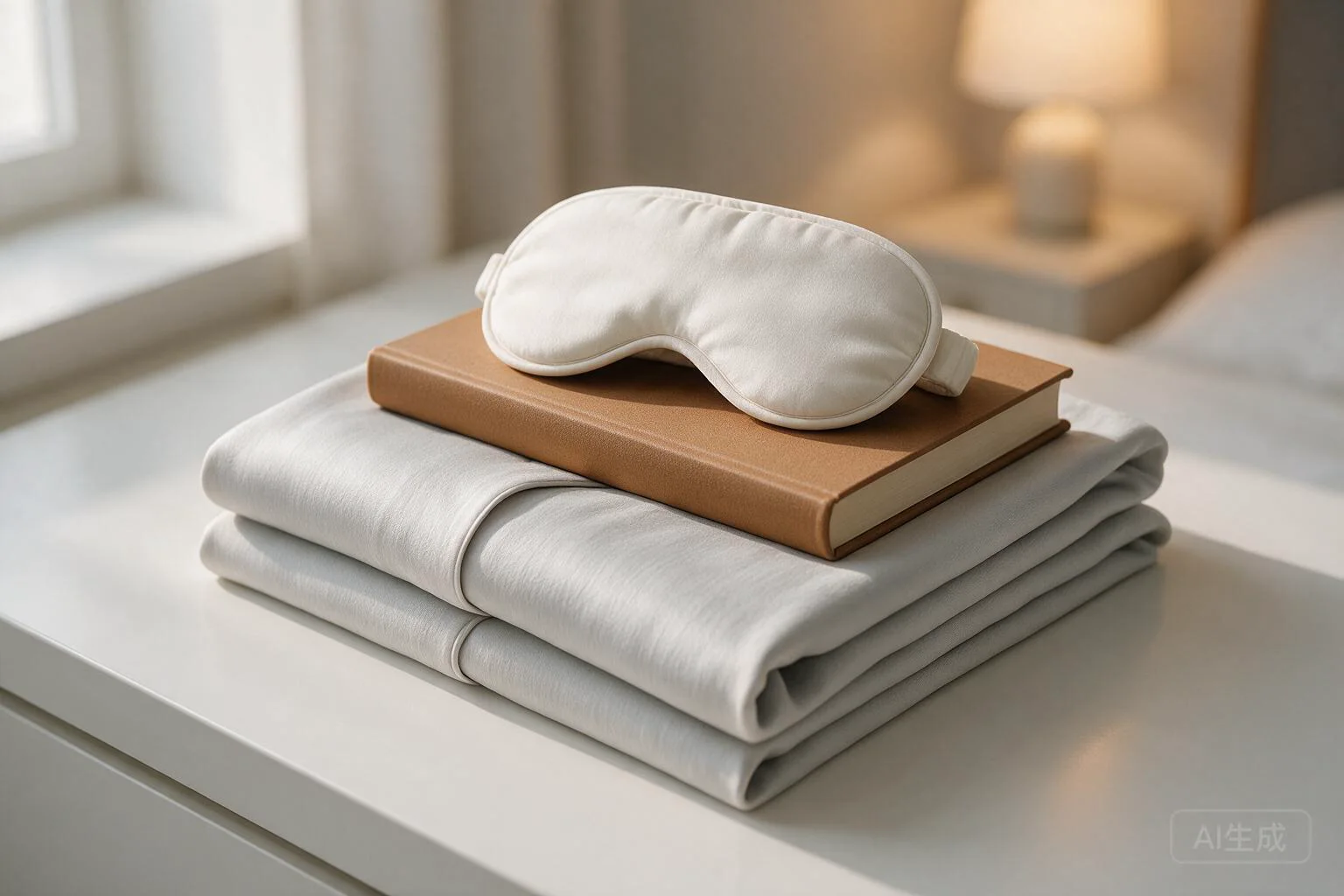
If you live in Thailand, warm nights often mean the difference between comfortable rest and restless sleep comes down to what you wear. The right breathable sleepwear fabrics can feel lighter, drier and calmer against your skin when the air is heavy. This guide compares cotton, modal, rayon blends, linen and lightweight synthetics with realistic care tradeoffs so you can choose pieces that suit your body, your bedroom and your laundry routine.
Fit note: every body is different, and sizing varies by brand, cut and fabric. A size chart is a helpful starting point only. Always check the specific measurements for each style, and remember that a different size or silhouette is a neutral styling choice—not a judgement about your body.
Why breathable sleepwear fabrics matter in warm climates
In humid weather, sleepwear can feel sticky if it traps warm air or holds moisture close to your skin. Breathable fabrics allow more air to move, which many women find helps them feel cooler and more comfortable. The feeling of breathability depends on the fibre, the weave, the weight and how the garment fits.
There is no single best fabric for everyone. Some women prefer the crisp airiness of linen, while others prefer the smooth cool feel of modal. Your washing habits, skin sensitivity and whether you sleep in air conditioning or with open windows all play a part.
Breathable sleepwear fabrics compared
This comparison is a general guide, not a promise about a specific garment. Always read the fibre content and care label because the weave and finish can change how a fabric feels.
| Fabric | Breathability feel | Care tradeoffs | Good to know |
|---|---|---|---|
| Cotton | Light, airy and familiar; absorbs moisture | Machine wash friendly; may shrink in hot water; lighter weaves dry faster | Cotton voile or lawn tends to sleep cooler than heavy jersey |
| Modal | Smooth, cool to the touch and drapey; often airy in lightweight knits | Gentle cool wash; avoid high heat; may pill in friction areas | Resists shrinking more than rayon; very soft against skin |
| Rayon blends | Soft, fluid and breathable in loose weaves | Can shrink or lose shape if washed hot; hand wash or gentle cycle; line dry | Dense rayon jersey may sleep warmer than loose-weave styles |
| Linen | Very airy, crisp and fast-drying | Wrinkles easily; softens with wear; gentle cool wash or hand wash | Relaxed shapes usually feel cooler than fitted linen |
| Lightweight synthetics | Quick-dry and smooth; breathability depends on knit and weight | May hold odours; avoid fabric softener; wash cool | Open mesh or pointelle can feel airy; thick brushed finishes may not |
Cotton
Cotton is widely available and easy to care for, which makes it a practical staple. Lightweight weaves such as voile, lawn and batiste feel cooler than heavy cotton jersey or fleece. Cotton absorbs moisture well, but in very humid air it may stay damp longer than some other fabrics. That is not a flaw—it is a tradeoff to weigh against cotton’s easy washing and softness.
Modal
Modal is made from beech tree pulp and has a smooth, cool-to-the-touch feel. Lightweight modal knits often feel more breathable than heavier cotton knits because they are less dense and drape away from the body. Modal is relatively low-shrink compared with rayon, but it can pill in areas that rub, such as under the arms or where a bag strap rests. Wash cold on a gentle cycle and skip high heat.
Rayon blends
Rayon blends are popular for sleepwear because they are soft, fluid and flattering without being clingy. However, rayon’s breathability depends heavily on the weave. Loose-weave rayon allows more air, while dense jersey may trap warmth. Rayon can be delicate when wet, so machine wash in a mesh bag on cool or hand wash, then line dry. Check the care label each time because blends vary.
Linen
Linen is a natural choice for hot, humid nights because it dries quickly and feels airy. It wrinkles easily and may feel slightly crisp at first, but it softens with use and washing. Linen sleepwear often comes in relaxed silhouettes that encourage airflow. If you dislike ironing, choose styles that look good with a rumpled texture or plan to steam lightly.
Lightweight synthetics
Lightweight synthetic sleepwear—usually polyester or nylon—can be smooth, stretchy and quick-drying. Some open-knit styles are designed to feel cooler, while dense synthetic fabrics can feel warm. If you sleep hot, look for mesh, pointelle or other open structures and avoid brushed inner finishes. Synthetics may retain odours more than natural fibres, so wash them promptly and do not use fabric softener, which can coat the fibres.
How weave, weight and fit change breathability
A fabric name only tells part of the story. A tightly woven cotton poplin can feel stiffer and warmer than a loosely woven rayon. A ribbed modal slip may feel softer but less airy than a pointelle cotton top. Weight matters too: lighter fabrics generally allow more air, but they may also be more delicate.
Fit also changes airflow. Sleepwear that skims the body usually feels cooler than tight-fitting pieces because air can move between the fabric and skin. If a style feels snugger than you like, try a larger size or a more relaxed cut rather than assuming the fabric is not breathable. Use our size guide as a starting point for measurements, but always check the brand’s individual size chart.
Realistic care tradeoffs
Before you buy, think about how you actually do laundry. Breathable fabrics often come with one or two care compromises. Here is a quick summary:
- Cotton: easiest to wash, but may shrink or fade with frequent hot washes. Cool water and line drying help it last.
- Modal: soft and low-shrink, but can pill. Turn inside out, use a gentle cycle and avoid high heat.
- Rayon blends: drapey but delicate. Hand wash or use a mesh bag to prevent stretching and shape loss.
- Linen: durable and quick-drying, but wrinkles. It becomes softer with wear; steam if you prefer a smoother look.
- Lightweight synthetics: durable and quick-drying, but may hold odours. Wash after each wear and skip softener.
Always follow the care label on the specific garment. For more detailed washing advice, visit our lingerie care guide.
How to shop for breathable sleepwear fabrics online
When you are browsing online, you can learn a lot from the product description and photos. Look for the fibre content, fabric weight and weave terms. Words like voile, lawn, pointelle, mesh, open knit or loose weave often indicate a lighter, airier feel. Words like brushed, fleece-lined or dense knit suggest more warmth.
- Read the fibre content and care section first, not just the product name.
- Look at the close-up photos to see whether the fabric appears smooth, textured, sheer or thick.
- Check the fit notes and measurements. Compare them with a piece you already own that fits well.
- Think about your laundry routine. If you will not hand wash, avoid pieces that require it.
- Choose a mix of fabrics so you have options for hot days, cooler air-conditioned nights and travel.
Build a rotation that works for you
Most women do not need a single perfect fabric. A small rotation of two or three breathable styles can cover different comfort needs. For example, you might choose a cotton voile set for easy laundry days, a modal slip for smooth softness and a loose linen piece for very warm nights.
Pay attention to how each piece feels after several wears and washes. If a fabric starts to feel less breathable, it may be due to product buildup or pilling rather than the fibre itself. Washing in cool water and skipping heavy softeners can help maintain airflow.
Browse the sleepwear collection to compare styles with different breathable fabrics. Use the information above to choose pieces that fit your body, your home and your routine.
Ultimately, comfort is personal. Give yourself permission to choose sleepwear based on how it feels on your body, not on marketing promises or a one-size-fits-all rule.
Frequently asked questions
Is modal always more breathable than cotton?
Not always. A lightweight cotton voile can feel airier than a dense modal knit. The weave, weight and fit matter more than the fibre name, so check the specific style rather than assuming one fabric is cooler.
Can I machine wash linen sleepwear?
Many linen pieces can be machine washed on a cool, gentle cycle, but some labels recommend hand washing. Linen may shrink slightly and will wrinkle. Line drying or low tumble dry helps preserve the shape and texture.
Do lightweight synthetic sleepwear fabrics always trap heat?
No. Open-knit mesh or pointelle synthetics can feel cool and dry quickly, but dense or brushed synthetics may feel warmer. Look for light, open structures and wash without fabric softener to keep the fibres from becoming coated.
Which breathable fabric is easiest for daily washing in a humid climate?
Cotton is usually the most forgiving for frequent machine washing. Lightweight cotton styles dry reasonably well, but in very humid weather you may prefer quick-drying linen or lightweight synthetic blends if you need something to dry faster indoors.
 When to Replace Underwear: Condition-Based Signs That Matter More Than Dates
 How to Wash Lace Panties: A Gentle Hand- and Machine-Wash Routine
 Satin vs Cotton Sleepwear: A Balanced Guide for Every Sleeper in Thailand