


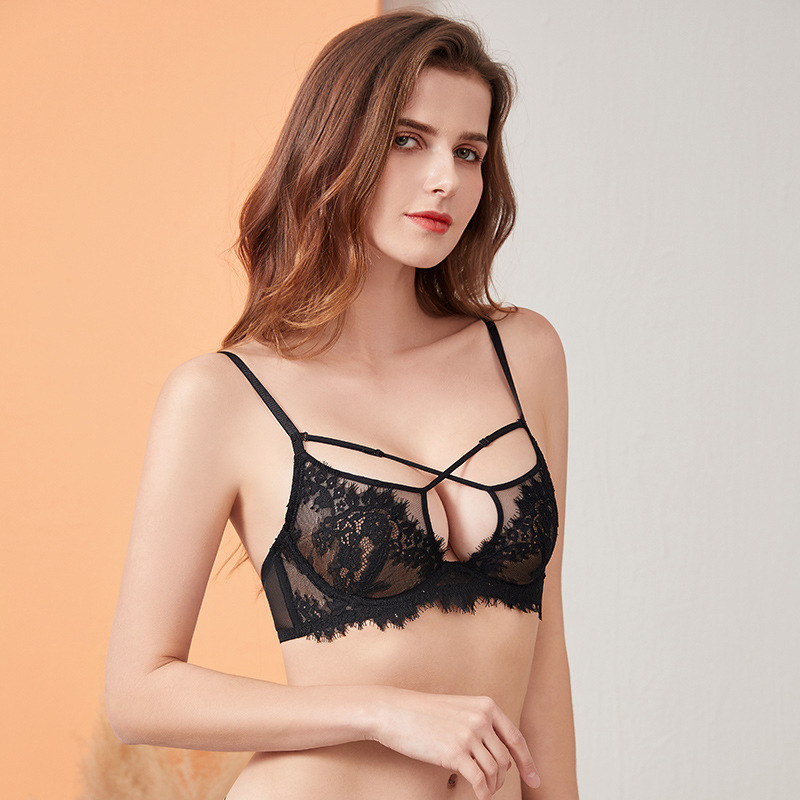
If you’ve ever browsed lingerie racks or shopped online for a structured, confidence-boosting top and found yourself stuck comparing a corset vs bustier, you’re far from alone. These two pieces share a glamorous, figure-hugging reputation, and they’re often mixed up in product listings, style reels, and even in-store displays—especially as more brands blur style lines for modern wear. For shoppers in Thailand, where lightweight, breathable fabrics and versatile pieces that work for both casual outings and special events are top of mind, knowing the core differences between the two can save you time, help you find a fit that feels great, and open up new styling options you may not have considered before.
First, it’s important to note that fit always varies by brand, fabric, and specific design, so no single rule applies to every corset or bustier on the market. Think of the guidelines below as a starting framework, not a hard checklist, and always reference a brand’s individual size guide before making a purchase if you’re shopping online.
Core Construction Differences
The biggest gap between the two garments starts with how they’re built, which directly impacts how they feel when you wear them.
Corset Build Basics
Traditional and modern corsets are designed with rigid boning—strips of material (most commonly plastic for casual fashion styles, or steel for more structured, long-wear designs) sewn into vertical channels running the length of the garment. This boning creates the signature structured shape, and most corsets fasten with a sturdy front busk (a row of metal loops and posts) plus a lace-up closure in the back that lets you adjust the tightness to your preference. Many corsets also include a flat, rigid steel “busk panel” at the front to keep the shape smooth across your torso.
Because of this construction, corsets hold their shape even when they’re not being worn, and they distribute gentle, even pressure across the midsection when laced to your comfort level. It’s always best to start with a loose lace when first trying on a corset, tightening gradually over wears to find a fit that feels supportive without restricting your breathing or movement.
Bustier Build Basics
Bustiers, by contrast, are soft-structured, bra-integrated pieces designed primarily to support the bust, not shape the full torso. They may have thin, flexible plastic boning only along the side seams to prevent rolling, but they do not have the full vertical boning panel setup of a corset. Most bustiers fasten with hook-and-eye closures (the same style you’d find on a standard bra) at the back or front, and they do not include lace-up adjustability across the full back.
Bustiers are built with molded or sewn-in bra cups, often with underwire for extra bust support, and the fabric below the band sits smoothly against the body without rigid shaping. They’re usually made of softer, stretchier fabrics than structured corsets, which makes them a popular pick for wearing under clothing for long days.
Length and Coverage Comparison
Length is another quick, easy way to tell the two garments apart at a glance, even if you’re browsing a cluttered product page.
| Garment | Typical Length | Coverage Area |
|---|---|---|
| Standard Corset | Ends 2–4 inches below the natural waist, often at the top of the hip bone | Covers from just under the bust (or mid-bust, for overbust styles) down through the full midsection |
| Standard Bustier | Ends at or just 1–2 inches below the natural waist, stopping before the upper hip | Covers the bust fully, with short, smooth fabric extending down to the waistband |
Again, there are style exceptions here: you may find cropped “corset belts” that only sit at the waist, or extra-long bustiers designed for layering under dresses. But for most mainstream lingerie and fashion styles sold for everyday or special occasion wear, the length rule holds true. For Thailand’s hot, humid climate, this length difference matters: shorter bustiers often feel less constricting for all-day wear, while longer corsets can work beautifully for air-conditioned events, nights out, or styled as outerwear with lightweight layers.
Support Expectations: What Each Piece Actually Does
A lot of confusion between these two pieces comes from mixed messaging about what kind of “support” they offer, so let’s break that down clearly, with no overblown claims.
Corsets provide torso support through their structured boning: when fitted correctly to your body, they hold an upright, smooth shape across your midsection, and overbust styles can offer light bust support as an added benefit. The lace-up back means you can adjust the level of hold to match what feels comfortable for you, whether that’s a very loose fit for casual outerwear or a snugger fit for a formal event. They are not designed for medical support, and you should never lace a corset so tight that it causes pain, numbness, or difficulty breathing.
Bustiers are built first and foremost for bust support, just like a standard bra. The sewn-in cups, underwire (when included), and wide underbust band offer lift and shaping for your chest, while the short lower section smooths the very top of your waistline with no pressure on the rest of your torso. They’re an excellent pick if you want a little extra coverage over a standard bra without the full structured hold of a corset. If you’re browsing for everyday support, you’ll find many similar everyday options in our bras collection to compare.
Easy Styling Tips for Thailand’s Climate and Occasions
Both pieces are far more versatile than many people assume, and they can work for everything from loungewear to weddings, depending on how you style them.
How to Style a Corset
- As outerwear for nights out: Pair a structured satin or mesh corset with high-waisted tailored trousers or a flowy midi skirt, and throw on a lightweight linen button-down left open for a look that works for dinners, concerts, or rooftop hangs in Bangkok, Chiang Mai, or Phuket. Breathable cotton blend corsets are ideal for this, as they won’t stick to skin in warm evening air.
- As intimate wear: Lace or silk corsets are a beautiful addition to your intimate apparel rotation, worn on their own or paired with matching panties for low-key special moments at home.
- Under formal wear: A longline, smooth-fabric corset can create a sleek base for wedding guest dresses, formal gowns, or traditional outfits that benefit from a smooth torso line. Opt for moisture-wicking fabric blends if you’ll be wearing it for an hours-long event.
How to Style a Bustier
- As an underpinning for tricky tops: Bustiers are perfect for wearing under strapless, off-the-shoulder, or sheer blouses, as they eliminate the need for a separate strapless bra while adding a smooth line under clothing. They work wonderfully with lightweight summer tops that are popular for Thailand’s daytime heat.
- As a casual summer top: Pair a cotton or linen-blend bustier with high-waisted denim shorts or a wrap skirt for a beach day, weekend market trip, or casual brunch. Throw on a loose kimono for extra sun coverage if you’ll be outside for long stretches.
- As part of a coordinated set: Many bustiers come as part of matching lingerie sets that work for both sleep and loungewear, especially in soft, breathable modal or cotton blends that feel cool against skin.
Quick Cheat Sheet to Pick the Right Piece for You
Use this simple checklist when you’re deciding which to add to your cart:
- Do you want primarily bust support to wear under everyday clothes? A bustier will likely meet your needs.
- Do you want structured torso shaping, or a piece you can style as standalone outerwear for events? A corset is the better pick.
- Will you be wearing the piece for 8+ hours in high heat, with limited access to air conditioning? Opt for a soft, stretchy bustier or a lightweight, loosely laced cotton corset to stay comfortable.
- Are you looking for a piece for intimate wear at home? Choose whichever fabric and silhouette makes you feel most confident—there’s no wrong pick here.
No matter which you pick, remember that proper care will help your piece last longer, especially delicate lace or boned styles. You can reference our lingerie care guide for simple tips to wash and store structured pieces without damaging boning or delicate fabrics. If a piece doesn’t fit quite right when it arrives, that’s a normal part of shopping for lingerie—every brand’s sizing is different, and it rarely reflects anything about your body. Take your time trying pieces on at home, adjust straps or lacing as needed, and don’t hesitate to swap for a different size or style if it doesn’t feel comfortable for you.
Frequently asked questions
Can I wear a corset or bustier as everyday outerwear in Thailand’s hot weather?
Yes, as long as you pick a breathable fabric like cotton, mesh, or lightweight satin, and adjust lacing or closures to a loose, comfortable fit that doesn’t restrict movement. Bustiers are often a lighter pick for all-day wear in high heat, while corsets work well for air-conditioned spaces or evening outings.
Do I need to size down when buying a corset to get a shaping effect?
No. You should always select your size based on the specific brand’s size guide, measuring your natural waist and bust to match their chart. Corsets are designed to be adjusted via the back lacing, so sizing down can lead to uncomfortable, ill-fitting wear that doesn’t hold its shape properly.
Can I wear a bustier instead of a regular bra?
For many people, yes. Bustiers are built with the same cup and band support structure as a standard bra, often including underwire in designs made for regular wear, so they can replace your everyday bra when you want extra waist coverage or a smoother line under clothing. Support levels vary widely by style, so check product details for bust support type if you need higher hold.
How do I prevent boning from digging in when I wear a corset?
First, make sure you’re lacing the corset loosely when you first put it on, tightening gradually only to a point that feels comfortable. You can also wear a thin, soft camisole under the corset to create a barrier between the boning and your skin, and ensure the corset is long enough for your torso so the bottom edge doesn’t rest on your hip bones at an awkward angle.
 How Should a Lingerie Bodysuit Fit? A Simple Troubleshooting Guide
 How to Match Seamless Panties Under Clothes for Every Outfit in Your Closet
 Babydoll vs Chemise: Key Differences to Pick Your Perfect Lingerie Style