


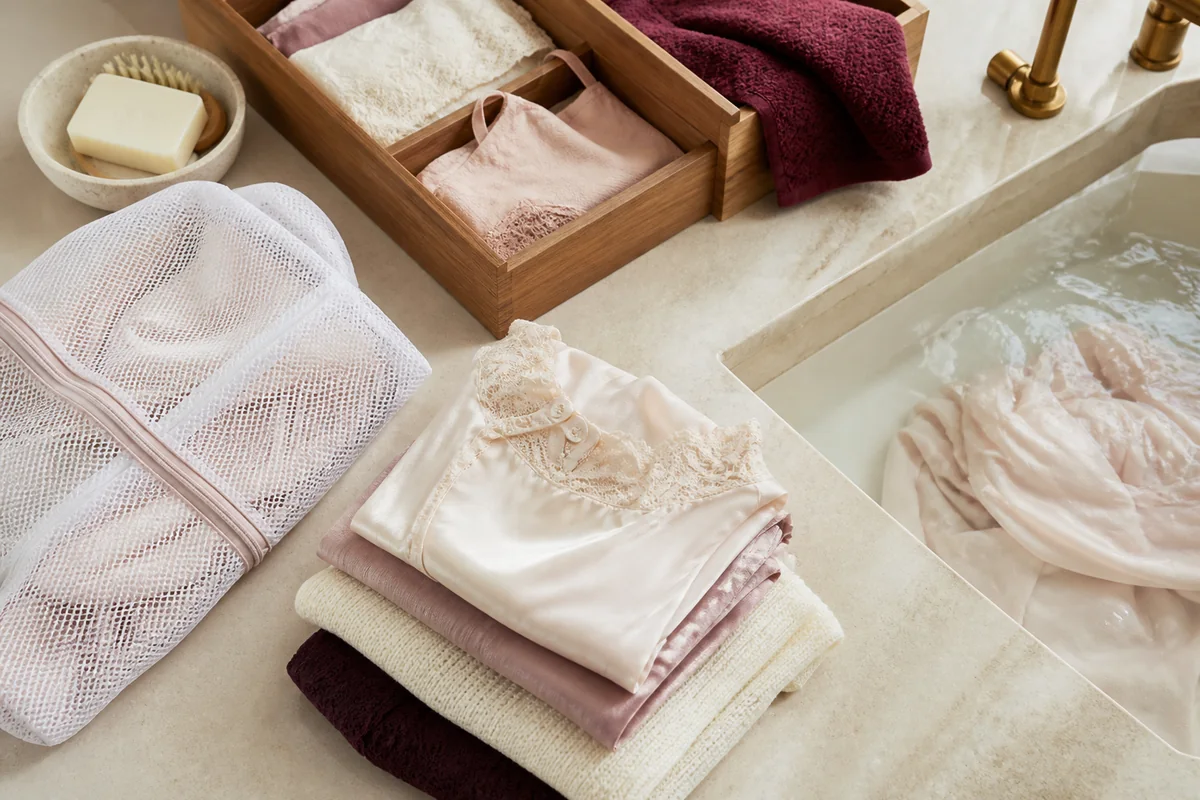
If you’ve ever pulled a favorite bra out of the laundry only to find a bent underwire, stretched band, or crumpled cup that no longer sits quite right, you know how frustrating it can be to say goodbye to a piece that fits just right. Learning how to wash and store bras doesn’t require fancy products or hours of extra time—just a consistent, gentle routine that works with your schedule, whether you prefer hand washing or need the convenience of a machine wash, even in warm, humid weather where sweat and sunscreen buildup can feel unavoidable.
Before we dive into steps, it’s important to note that bra fit and care needs vary widely by brand, style, and fabric. A delicate lace bralette from one line will have different needs than a high-impact sports bra, and size guidelines across regions and labels are always a starting point rather than a hard rule—you know your own bras best, so adjust these steps to match the pieces you own. If you’re still refining your collection to find styles that feel comfortable for you, you can browse our full range of everyday and special-occasion bras or reference our size guide as a loose starting point for your next pick.
Pre-Wash Prep: What to Do Before You Clean Any Bra
No matter which washing method you choose, a few quick pre-wash steps will cut down on damage and make cleaning more effective, especially after long days in warm weather where lotions, sunscreens, and natural oils can build up on fabric:
- Sort by color and fabric type first: Keep darks, lights, and bright reds/wines separate to avoid dye transfer, and group delicate lace, mesh, or silk pieces away from sturdier cotton or microfiber everyday bras. Hook all bra closures before washing to prevent hooks from snagging on lace, other clothes, or washing machine drums.
- Spot treat light stains gently: Dab a tiny amount of mild, fragrance-free liquid detergent on areas like the underband or straps where sunscreen or sweat tends to collect, and let it sit for 5 to 10 minutes before washing. Avoid scrubbing roughly, as this can fray fabric or distort cup shape.
- Check for small repairs first: If you notice a loose thread or slightly shifted underwire, take 30 seconds to tuck the wire back into its channel and secure the opening with a few small stitches before washing—running a damaged bra through water can make small issues much worse.
Hand-Washing Routine: The Gentlest Option for Shape Retention
Hand washing is the lowest-fuss way to extend the life of your bras, and it only takes a few minutes per load—you don’t need a special basin or fancy lingerie soap to do it well. This method works for every bra style, from delicate lace pieces to structured t-shirt bras, and it’s ideal for pieces you wear often that need a gentle touch.
- Fill a clean sink or basin with lukewarm (not hot) water. Hot water can break down elastic fibers over time, leading to stretched bands that no longer stay securely in place, so stick to water that feels cool to slightly warm to the touch.
- Add a teaspoon of mild, fragrance-free liquid detergent (avoid fabric softeners and bleach, which can break down elastic and leave residue that traps odors in humid climates; do not substitute powdered detergent for this use) and swish it through the water to distribute evenly.
- Submerge your bras fully, and let them soak for 10 to 15 minutes. You don’t need to scrub or twist the fabric—soaking will lift most everyday buildup from sweat, sunscreen, and body oils without extra agitation. For sturdier sports bras, you can gently knead the band and cup areas with your fingertips to work out heavier sweat buildup, but avoid wringing or twisting the cups, as this will warp their shape.
- Drain the soapy water, and refill the basin with clean lukewarm water to rinse. Gently press each bra against the side of the sink to push suds out, rather than wringing, until the water runs clear with no leftover soap residue. Leftover detergent can cause fabric irritation or break down elastic faster, so take an extra minute to rinse thoroughly.
- To remove excess water without damaging shape, lay each bra flat on a clean, dry towel, then roll the towel up with the bra inside and press gently to absorb moisture. Never twist or wring the bra to squeeze water out, as this can bend underwires and stretch straps.
Machine-Washing Routine: For When You Need a Convenient, Shape-Safe Option
We know life gets busy, and hand washing every single bra isn’t always realistic after long work days, daily commutes, or weekend trips. You absolutely can machine wash bras without ruining their shape, as long as you take a few key precautions to cut down on agitation and snags.
Note that extra-delicate pieces like 100% silk bras, hand-embroidered lace, or vintage styles are still better suited for hand washing, but most everyday cotton, microfiber, and nylon-spandex bras hold up perfectly in the machine with this routine:
| Step | Do This | Avoid This |
|---|---|---|
| Prep bras for the load | Fasten all hooks, place each bra in a mesh lingerie wash bag (zip it fully closed), and group with similarly delicate items like soft panties or sleepwear | Throw bras loose into the machine with heavy items like jeans, towels, or hoodies, which can snag fabric or bend underwires |
| Choose machine settings | Use the delicate or gentle cycle, cold water, and a slow spin speed to reduce agitation | Use hot water, heavy-duty or normal wash cycles, or high spin speeds that pull and stretch fabric |
| Add cleaning products | Use a small amount of mild liquid detergent, ideally formulated for delicate fabrics; do not use powdered detergent for this load | Add fabric softener, bleach, or scented detergent beads that leave residue and break down elastic |
| Remove after the cycle ends | Take bras out of the wash bag immediately once the cycle finishes to avoid musty mildew buildup in humid weather | Leave bras sitting in the damp washing machine drum for hours, which can lead to permanent odors and fabric breakdown |
Drying Bras Correctly to Preserve Shape and Elastic
Drying is the step where most accidental shape damage happens, even if you washed your bras perfectly. The heat from clothes dryers is one of the fastest ways to break down spandex and elastic, leading to stretched bands and misshapen cups that no longer fit well, so skip the dryer entirely for all your bras, no matter how sturdy they feel.
Instead, reshape each bra’s cups gently with your hands while they’re still damp, smoothing out any crumpled edges so they hold their original rounded form. You can hang bras by the center gore (the small piece of fabric between the two cups) on a drying rack, or lay them flat on a clean, dry towel in a well-ventilated area away from direct sunlight. Direct sun can fade dark and bright colored bras quickly in strong UV conditions, so pick a spot with good air flow that’s out of harsh direct light to speed up drying without damage. Avoid hanging bras by one strap, as this can stretch the strap and band unevenly over time, leading to a lopsided fit.
For extra humid days when fabrics take longer to dry, you can swap out the damp towel for a fresh dry one halfway through the drying process to prevent mildew from setting in.
How to Store Bras to Keep Their Shape Long-Term
Once your bras are fully dry, proper storage will prevent bent wires, crumpled cups, and stretched bands between wears, so you don’t have to reshape them every time you get dressed. You don’t need a fancy custom drawer organizer to store them well—just a few simple habits that work with your existing storage space:
- For molded and t-shirt bras: Nest the cups inside each other gently, rather than folding one cup flat inside the other (which can leave a permanent crease in molded foam cups). Line them up in a drawer so the cups are supported, rather than stacked under heavy piles of clothes that can crush their shape.
- For soft bralettes, unlined bras, and sports bras: These more flexible styles can be folded in half and stacked in a drawer, or hung on soft, non-slip hangers in your closet if you have extra space. Avoid hanging them by thin straps if possible, to prevent stretching over time.
- For delicate lace and special-occasion pieces: Store these in a separate soft fabric pouch or a dedicated section of your drawer away from hook-and-loop closures, jewelry, or other rough items that can snag delicate lace. If you keep these pieces for occasional wear, you can tuck a small silica gel packet in the storage area to absorb extra humidity during damp seasons, just make sure the packet doesn’t sit directly on the fabric to avoid discoloration.
A good rule of thumb is to give each bra a full day of rest between wears, if you have enough pieces in rotation. This lets the elastic bands bounce back to their original shape after a full day of wear, which extends the life of every bra in your collection. If you’re looking to build out a rotation that works for your daily routine, you can explore curated mix-and-match lingerie sets designed for everyday comfort, or pick up soft additional care tips for all your intimate pieces.
Remember, there’s no “perfect” way to care for your bras that works for every person, every schedule, or every style. These steps are meant to be flexible—if you only have time for a quick machine wash once a week, that’s completely fine, as long as you take a few small steps to protect shape along the way. The goal of lingerie care is to make your favorite pieces last longer, not to add another stressful chore to your to-do list.
Frequently asked questions
How often should I wash my bras?
There is no one-size-fits-all rule for wash frequency, as it depends on your activity level, the weather, and how much you sweat. Many people find a flexible rotation works well for their routine, and you should wash bras immediately after high-sweat activities like long walks, workouts, or days spent out in extreme heat to prevent oil and sweat buildup that can break down fabric over time.
Can I use regular laundry detergent to wash bras?
You can use regular mild, fragrance-free liquid laundry detergent for most bras, as long as it does not contain added bleach or fabric softener. Avoid heavy-duty powdered detergents, which can leave residue in delicate lace and elastic fibers, especially in humid climates where moisture lingers in fabric.
Will hanging bras to stretch them out help them fit better?
Hanging bras incorrectly (like hanging them by a single thin strap) can stretch elastic unevenly over time, leading to a poor fit. If a bra feels too tight, first double-check that you are wearing it on the correct band setting, and remember that fit varies across brands and styles so a size that works for one label may not fit the same in another.
How do I fix a slightly bent underwire without replacing the bra?
If an underwire shifts out of its channel or bends slightly after washing, you can gently bend it back to its natural curve with your fingers, tuck it back into the fabric channel, and secure the small opening at the end of the channel with a few tight, small hand stitches to keep it from slipping out again.
 Satin vs Cotton Sleepwear: A Balanced Guide for Every Sleeper in Thailand