


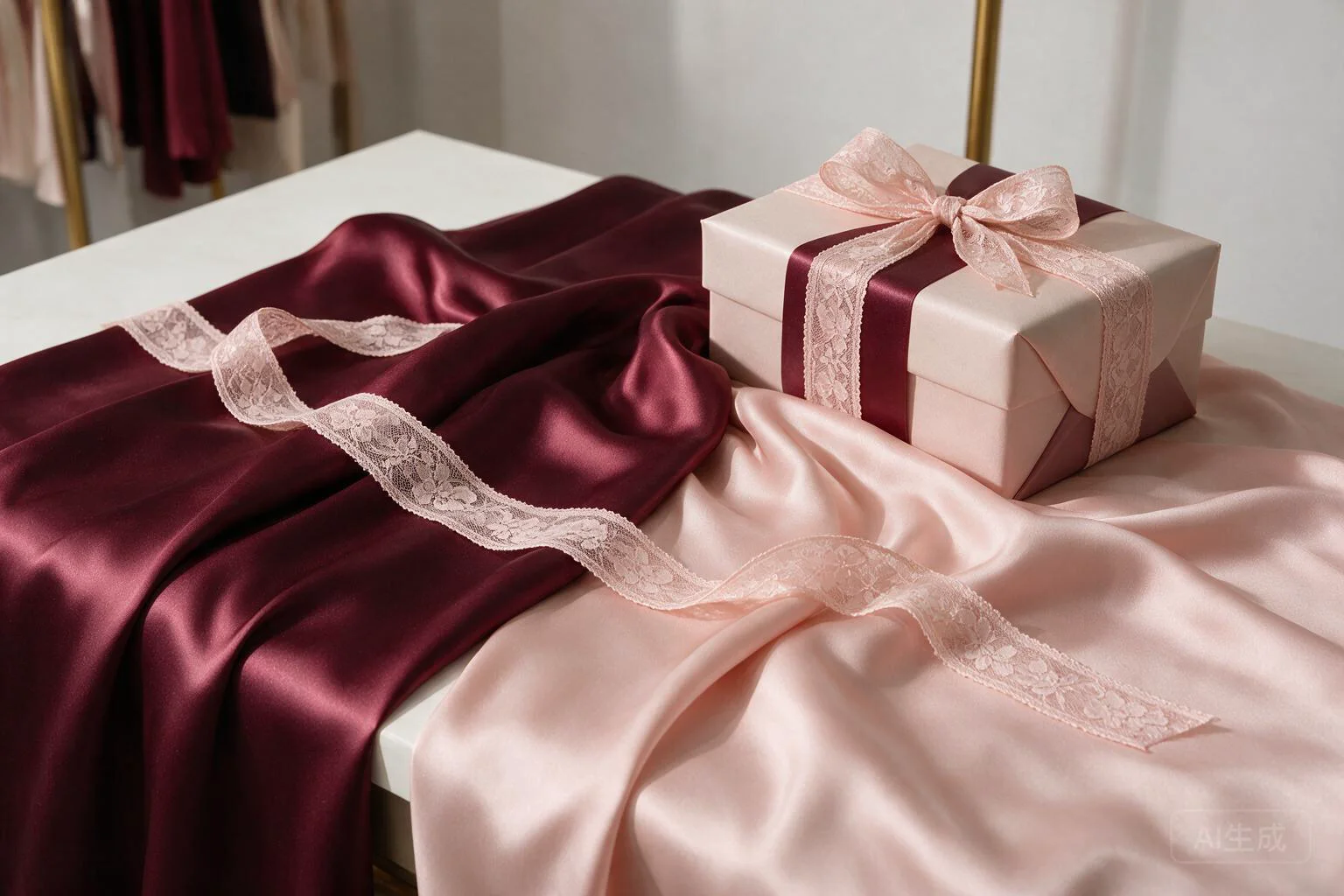
Learning how to choose lingerie colours is less about following a fixed chart and more about building a small collection that works with your real wardrobe, your mood, and the way light moves through your clothes. In Thailand, hot weather often makes lightweight cotton, linen, and sheer blends practical choices, so colour can be as functional as it is personal. This guide gives you a flexible way to decide, without telling you that one shade is right for everyone.
How to Choose Lingerie Colours Around Your Real Wardrobe
Start with what you already wear. Open your wardrobe and look at the five tops, dresses, or work shirts you reach for most often. The colours and fabrics of those pieces will tell you more than a generic colour wheel. If your daily wardrobe is mostly white, cream, or light pastels, you will likely need at least one or two low-contrast neutral pieces that sit close to your skin. If you wear a lot of black, navy, or deep colours, darker lingerie can feel like the easiest match. If your wardrobe is a mix, choose one everyday neutral and one deeper accent colour before adding anything else.
This approach keeps colour decisions practical. It also gives you permission to ignore seasonal colour rules. Deep wine can work just as well in hot weather as a pale lilac can in rainy season, as long as it works under your clothing and makes you feel comfortable.
- For white, ivory, or very light tops: try warm beige, mocha, soft brown, taupe, dusty rose, or a blush that is deeper than the fabric.
- For black, charcoal, navy, or dark green outfits: try black, deep wine, plum, navy, or espresso.
- For bright or patterned clothing: choose a skin-tone neutral for invisibility or a tonal accent colour for a deliberate flash of colour.
- For sheer or silk fabrics: check the back and side view in daylight, because fabric weight changes how colour shows.
Why “nude” should mean your skin tone, not one universal shade
Many women in Thailand find that pale beige or stark white is not the most invisible option under light clothing. Warm brown, tan, mocha, rose beige, or deep taupe often blends more naturally with warm, olive, or deeper skin tones. This is not a rule about skin tone; it is a reminder that “nude” is a range. If you want lingerie to disappear under clothing, pick the closest tone to your own body rather than the lightest neutral you see online. When possible, compare two or three shades against your side and shoulder, not the back of your hand.
Check Visibility Under Clothes Before You Commit
The most reliable test is to wear the piece under clothing you already own. Lighting, fabric weight, and fit all change how a colour reads. A soft blush may disappear under one white shirt and show through another. A deep wine may feel subtle under a dark dress but more noticeable under thin white linen.
- Choose the lightest and thinnest top or dress you plan to wear.
- Put on the lingerie and stand in natural daylight or near a bright window.
- Turn to check the front, side, and back. Look at edges, seams, and the strap line.
- If you want the piece to be invisible, choose a tone closer to your skin rather than matching the outfit exactly.
- If you are okay with a subtle tint or colour play, check that it looks intentional and not like a laundry mishap.
Fit changes visibility too. A band that digs in or cups that gap can make even a neutral colour more noticeable. Fit varies by brand and style, so if you are between sizes or trying a new label, review the size guide as a starting point rather than a guarantee.
| Outfit colour or fabric | Often disappears | Shows as intentional colour | What to check |
|---|---|---|---|
| White cotton or linen | Warm beige, mocha, soft brown, dusty rose | Deep wine, blush, soft pink, lavender | Side seams and cup edges in daylight |
| Light grey or pastel | Grey-beige, lilac-beige, soft brown | White, bright contrast, deep plum | Tonal contrast at the neckline |
| Black or dark fabric | Black, deep wine, navy, espresso | Emerald, cherry, cobalt | Silhouette under thin material |
| Sheer or silk | Tone close to your skin | High-shine or high-contrast shades | Backlight and overall visibility |
Use Colour as a Mood and Confidence Tool
Lingerie colour is not only about hiding or showing. It can be a small daily signal for how you want to feel. Some days you may want something calm and soft; other days you may want a colour that feels powerful, playful, or romantic. There is no need to match your bra and panty perfectly. A tonal mix, such as deep wine with dusty rose or black with grey-beige, can feel more modern and less fussy.
- Calm and soft: blush, lavender, sage, powder blue, warm grey.
- Grounded and neutral: espresso, mocha, taupe, black, deep green.
- Bold and playful: deep wine, cherry, cobalt, emerald, bright coral.
- Romantic or sensual: deep wine, burgundy, plum, black lace, soft blush.
If you want to add bolder pieces without feeling overwhelmed, start with one bra or one set in a colour you already wear as clothing or cosmetics. The same visibility and fit checks apply, no matter how playful the shade.
Build a Small Lingerie Colour Capsule
A useful lingerie drawer does not need every colour. A flexible capsule usually covers three situations: under light clothing, under dark clothing, and a mood-driven accent. Use the table below as a thinking tool, not a shopping list.
| Situation | Useful colours | Why it works |
|---|---|---|
| Under light or white clothing | Warm skin-tone, mocha, soft brown, blush | Lower contrast is less likely to show through |
| Under dark or heavy clothing | Black, deep wine, navy, espresso | Feels sleek and does not look dingy against dark fabric |
| When you want a lift | Deep wine, cherry, emerald, cobalt | Adds energy without requiring a full wardrobe change |
| Relaxing at home or sleeping | Soft lavender, sage, powder blue, heathered grey | Feels calm and low-pressure |
A 10-minute colour edit
- Separate your everyday neutral pieces from occasional colour pieces.
- Pull out the three outfits you wear most this month and note their fabric and neckline.
- Try any new or uncertain lingerie under a light top in natural light.
- Keep one or two mood-lifting colours that you actually enjoy wearing.
- Rotate out colours that never feel right, even if they looked good on the hanger.
- Remember that fit is separate from colour. If a set feels off, check the size guide or try a sister size before deciding the colour is wrong.
Colour, Fabric Sheen, and Care
The same colour can look different depending on fabric. A deep wine in matte cotton can feel understated, while the same shade in glossy satin or lace may feel more dressed. This is a style observation, not a product guarantee. When choosing between two similar colours, consider the sheen and texture alongside the colour itself.
Dark or bright colours may fade unevenly if washed in very hot water or dried in strong sun. Always read the care label and use a gentle approach. If you want to keep your colours looking clear for longer, follow the steps in the lingerie care guide and store pieces away from direct sunlight.
When Fit Changes How Colour Looks
Sometimes a colour looks wrong simply because the fit is not right. If the band shifts or the cup shape doesn’t sit smoothly, the eye notices the outline before the colour. The same deep wine bra may feel too loud in one style and completely balanced in another. Fit varies by brand and style, so a size that works in one label may not translate exactly to another. Treat every size chart as a starting point, and if you are unsure, try the same colour in two nearby sizes before switching shades.
This is especially important when shopping online. If you are comparing styles, use the bra collection to look at cup coverage and strap placement, then check the size guide for the specific style. Colour is only one part of the overall feel.
Personal Taste Over Seasonal or Universal Rules
There is no single correct lingerie colour for any body, age, or season. Some women prefer only black because it feels simple and sharp. Others prefer a mix of soft neutrals because it reduces decision fatigue. Both approaches are valid. The goal is not to build a colour wheel, but to make getting dressed feel easier and more like you.
Use this guide as a flexible reference. Start with visibility, listen to your mood, and respect your taste. If a colour makes you feel calm or confident, that is a good enough reason to keep it. If it constantly fights your wardrobe, let it go without guilt.
Next time you shop, pick one outfit that currently gives you trouble, such as a light linen shirt or a close-fitting dress, and look for one bra or set that solves that specific situation. Check the colour in daylight from the side and back, and if the first shade is not quite right, try one tone deeper or warmer before changing size. Then explore lingerie sets with that one clear goal in mind.
Frequently asked questions
What is the best lingerie colour to wear under white clothes?
A tone close to your skin, such as warm beige, mocha, soft brown, or dusty rose, often disappears more easily than pure white. Fit and fabric weight also affect visibility, so check in natural daylight.
Should my bra and panty colour always match?
No. Matching is optional. A tonal mix within the same colour family, like deep wine with dusty rose or black with grey-beige, can look modern and reduces the pressure to buy full sets.
How do I choose lingerie colours if I mostly wear black and dark clothing?
Black, deep wine, navy, plum, and espresso are useful under dark outfits. It still helps to keep one skin-tone neutral for light-coloured exceptions such as white linen or cream tops.
Can I wear bright or dark lingerie under light clothing?
Yes, if you are comfortable with a subtle or intentional tint. Colours like red, pink, or deep wine may show through thin white or pastel fabric, so test in daylight to make sure the effect feels deliberate.
 How to Choose a Comfortable Thong: A No-Pressure First-Time Guide
 Matching Lingerie Sets for Everyday Wear: Practical Picks for Color, Coverage, and Fabric
 How to Choose Sexy Lingerie: A Body-Neutral Beginner Guide for Comfort and Confidence