


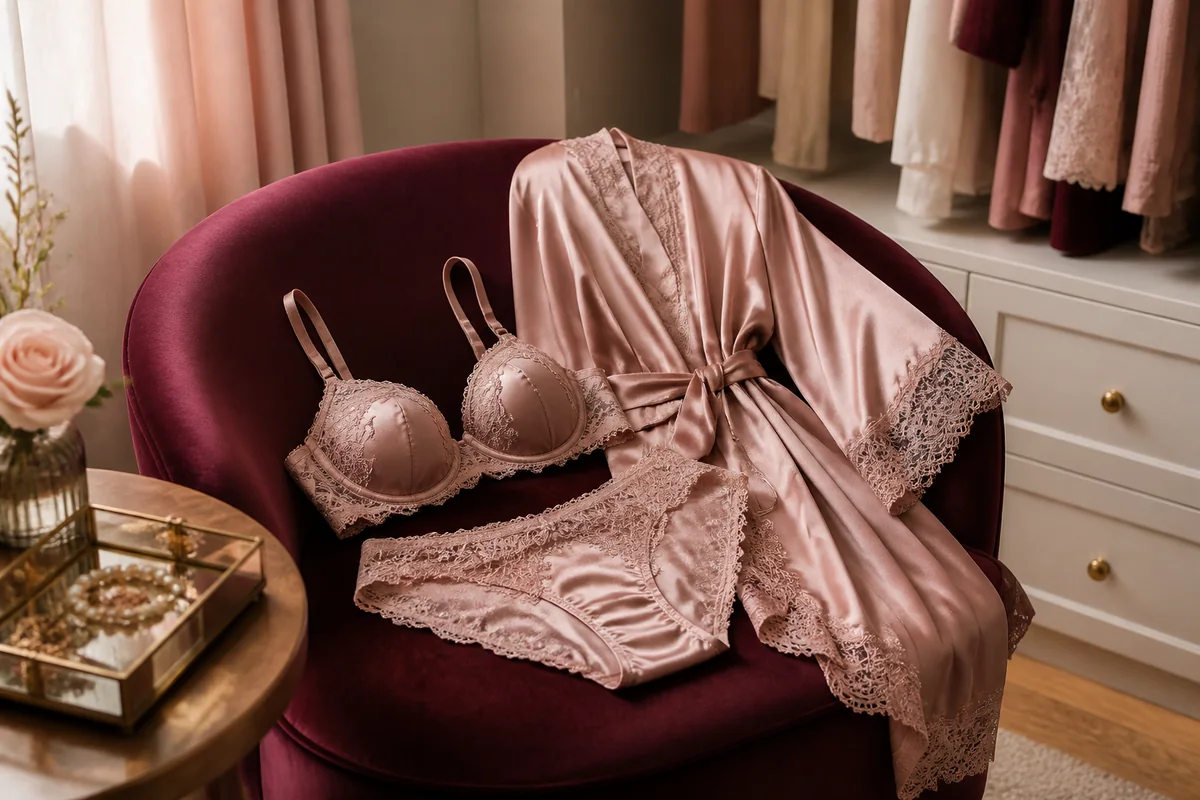
If you’ve ever scrolled through pages of lingerie listings feeling unsure where to start, you’re not alone. Learning how to choose sexy lingerie doesn’t require chasing a specific aesthetic, fitting a narrow size range, or prioritizing anyone else’s idea of allure over your own. This guide is built for adult people approaching this shopping journey for the first time (or returning after frustrating past experiences), with body-neutral framing that centers what feels good for you first: no shame, no rigid rules, no pressure to look a certain way.
For many of us, past lingerie shopping trips have been marred by confusing size charts, scratchy fabrics that look great in photos but feel unbearable after 10 minutes, or messaging that suggests we need to “fix” something about our bodies to wear a piece we like. We’re leaving all that behind. Sexy lingerie is, at its core, just intimate wear that makes you feel connected to your own sense of ease and appeal, whatever that looks like for you. It might be lacy, it might be soft cotton, it might be a simple matching set, it might be something more playful—there is no wrong answer as long as it works for your life.
Start with your comfort baseline, not trends
The first mistake many beginners make is shopping for the look they see on social media first, without checking in on what feels good against their skin and fits their daily routine. Sexy lingerie is impossible to enjoy if you’re constantly adjusting straps, scratching at itchy lace, or worrying about a band digging into your ribs. Before you browse a single product listing, take two minutes to note your non-negotiable comfort preferences:
- Do you prefer tight, snug fits that stay in place as you move, or looser, flowy fabrics that don’t press against your skin?
- Are there fabrics you already know you dislike? For example, some people find stiff synthetic lace itchy, while others love the texture of soft, stretch lace against their skin.
- When do you plan to wear this piece? Is it for a quiet night at home, a special occasion, under everyday clothes, or for lazy weekends sleeping in? Your use case will narrow down practical choices immediately.
- Do you have any sensory preferences, like avoiding tags, seams that run across sensitive areas, or scratchy elastic at leg openings?
There is no “right” comfort level. If a thong feels awful to you, that’s not a failure—that’s useful information to help you pick high-waisted briefs, boyshort-style panties (short, full-coverage cut underwear that sits low on the hips), or any other cut that feels better. If supportive underwires dig into your sides even when they fit correctly, skip them entirely in favor of soft bralette tops (light, unstructured, wire-free bra styles) or other wire-free styles that offer the shape you want without the discomfort. You can browse our full range of styles across sexy lingerie, sleepwear, and everyday intimates to get a sense of what materials and cuts catch your eye before you commit.
Fit is personal—size charts are a starting point, not a rulebook
One of the most common sources of frustration when lingerie shopping is assuming that your size in one brand or style will translate exactly to every other piece you buy. The truth is, fit varies by brand, fabric stretch, cut, and even production batch, so no universal size conversion will work perfectly for every item. This is not a reflection of your body—it is a reflection of how clothing is manufactured.
When you are preparing to shop, take quick measurements at home with a soft measuring tape (not a rigid construction tape) to use as a reference: your underbust (snug but not tight, right under where your bra band sits), the fullest part of your bust, and the natural curve of your hips and waist where you prefer your underwear to sit. Once you have those numbers, cross-reference them with the size chart listed for the specific item you are considering, not a generic brand-wide chart or an international size conversion from a random blog.
We’ve put together a quick checklist to help you assess if a piece fits correctly once you try it on, no matter what the size tag says:
| Garment part | Good fit sign | Sign you may need a different size or style |
|---|---|---|
| Bra/bralette band | Stays in place when you move, lies flat against your skin without digging, can fit one finger under the band comfortably | Rides up your back when you lift your arms, leaves deep indentations on your skin even after a few minutes of wear, gaps away from your body |
| Cups | Fabric lies smooth against your skin (wrinkles can mean the cup is too big, excess fabric spilling over the top edge can mean it is too small or the style is not a match for your preferences) | Presses uncomfortably against breast tissue, gaps so much that the cup loses its shape, requires constant adjusting to stay in place against your body |
| Panty/lingerie bottom waistband | Sits where you prefer it to (whether that’s high on your waist, low on your hips, or somewhere in between) without rolling down as you walk or sit | Rolls down immediately when you move, digs into your hip bones or waist, slides around so you have to tug it back into place constantly |
| Leg openings/straps | Elastic sits softly against your skin without digging or pinching, straps stay on your shoulders without slipping or digging in | Elastic leaves red marks, straps slip off no matter how you adjust them, leg openings cut into soft skin at the thighs |
If a piece doesn’t fit the first time, that is normal. It does not mean you ordered the “wrong” size, or that your body is “hard to fit”—it just means that specific cut is not a match for you right now. If you want extra guidance on measuring, our size guide walks through simple steps to take accurate measurements at home, with clear notes that all measurements are a reference point, not a guarantee of fit for every style.
Prioritize your personal style over “shoulds”
Sexy lingerie does not have a mandatory dress code. You don’t have to choose lace, or red, or a garter belt (a waist-worn accessory designed to hold up thigh-high hosiery), or any specific style that you see marketed as “standard” sexy wear if those things don’t appeal to you. When you are browsing, ask yourself: would I feel like myself wearing this? If the answer is “I would feel self-conscious the entire time,” even if the piece is widely considered attractive, it is not the right pick for you.
To help narrow down your options, think about the clothes you already feel most confident in, and translate those preferences to lingerie. If you love soft, oversized loungewear, you may prefer relaxed, roomy silhouettes like flowy soft satin chemises (loose, straight-cut lightweight sleep or loungewear slips), soft knit bralette and panty sets, or loose-fitting lace-trimmed sleep shirts that feel cozy and beautiful at the same time, rather than tight, constricting pieces. If you love tailored, structured clothes in your everyday wardrobe, you might prefer structured sheer mesh bras, high-waisted tailored panty sets, or crisp satin pieces that feel polished and intentional. If you love playful, colorful prints, skip the plain black sets entirely and reach for pieces in your favorite colors, patterns, or fun details like bows, mesh cutouts, or embroidered accents that feel playful to you.
There is no maturity requirement or age requirement for any style. If a short, flowy babydoll nightgown (a loose, empire-waist short sleep style with a fitted bust and flared skirt) makes you feel great, wear it. If a simple matching cotton bralette and brief set makes you feel most connected to your own sense of allure, that is just as valid as any more elaborate piece. You can filter our lingerie sets, individual bras, and panties by style, color, and fabric to skip pieces that don’t align with what you actually like, instead of scrolling through options that don’t spark joy.
Make realistic choices for your real life
It is easy to get swept up in the idea of a “special occasion” lingerie piece that you only wear once, but the most beloved lingerie pieces for many people are the ones that fit seamlessly into their actual lives. Before you check out, ask yourself these quick questions to avoid buying something that will sit in the back of your drawer untouched:
- Can I move comfortably in this? Can I sit, bend, walk, and breathe easily without adjusting it? If you plan to wear it for more than 10 minutes at a time, movement is non-negotiable.
- Do I know how to care for it? Delicate lace, satin, and mesh pieces often require gentle hand washing rather than being thrown in the washing machine with your regular clothes. If you don’t have the bandwidth for high-maintenance care, opt for machine-washable soft fabrics that fit your routine—you can look at our lingerie care guide for simple tips to make any piece last longer, no fancy tools required.
- Am I buying this for me, or for someone else’s reaction? There is nothing wrong with picking a piece you know a partner will love, but it should also feel good for you, first. If you hate how it feels but you think someone else will like it, you will likely not reach for it often.
- Is this a style I can see myself reaching for more than once? There is absolutely space for fun, one-off special pieces in your collection, but if you are a beginner, starting with 1-2 versatile pieces you can wear in multiple contexts (under a blazer for a night out, to bed, for a quiet night in) will help you build a collection you actually use, instead of filling your drawer with items that don’t serve you.
Remember, there is no “perfect” first lingerie purchase. You don’t have to build an entire collection at once. Start with one piece that checks your comfort boxes, fits well enough for you to feel at ease, and matches your personal style, and go from there. As you wear more pieces, you’ll learn more about what cuts, fabrics, and details you love, and future shopping trips will feel far less overwhelming.
When you’re ready to start browsing, take your measurements first, note your comfort preferences, and give yourself permission to skip any style that doesn’t feel right for you, no matter how popular it is. Lingerie is for you, after all.
Frequently asked questions
Do I need to lose weight or change my body to wear sexy lingerie?
No. Sexy lingerie is made for people of all body sizes, shapes, and ability levels, and you do not need to change anything about your body to wear pieces that make you feel good. Fit challenges are almost always a sign a specific brand or cut is not right for you, not a sign you need to adjust your body.
Is it normal if my usual clothing size doesn’t match the lingerie size I need?
Yes, this is extremely common. Lingerie sizing is not standardized across brands, and fabric stretch, cut, and design all change how a piece fits. Always use the specific size chart for the item you are considering, and don’t worry if the size tag is different from your regular clothing size—tags are just reference points, not judgments.
Can sexy lingerie be comfortable enough to wear all day?
Absolutely. Many people wear soft, well-fitting sexy lingerie styles like wire-free bralettes, stretch lace boyshort panties, high-waisted briefs, or soft satin chemises (loose, straight-cut lightweight sleep or loungewear slips) as everyday wear, as long as the fabric feels good against your skin and the fit stays in place as you move. Comfort is a personal preference, so you can prioritize pieces that work for all-day wear if that is what you want.
What if I don’t like the way a sexy lingerie piece looks on me when I try it on?
That is a completely normal part of shopping! No single style works for every person, and a piece looking great on a model or on a hanger does not mean it will align with your personal taste or fit your unique shape. You can always exchange it for a different size or style, or donate it if it doesn’t work, with no shame.
 How to Choose Lingerie Colours: A Flexible Guide for Every Wardrobe
 How to Choose a Comfortable Thong: A No-Pressure First-Time Guide
 Matching Lingerie Sets for Everyday Wear: Practical Picks for Color, Coverage, and Fabric