


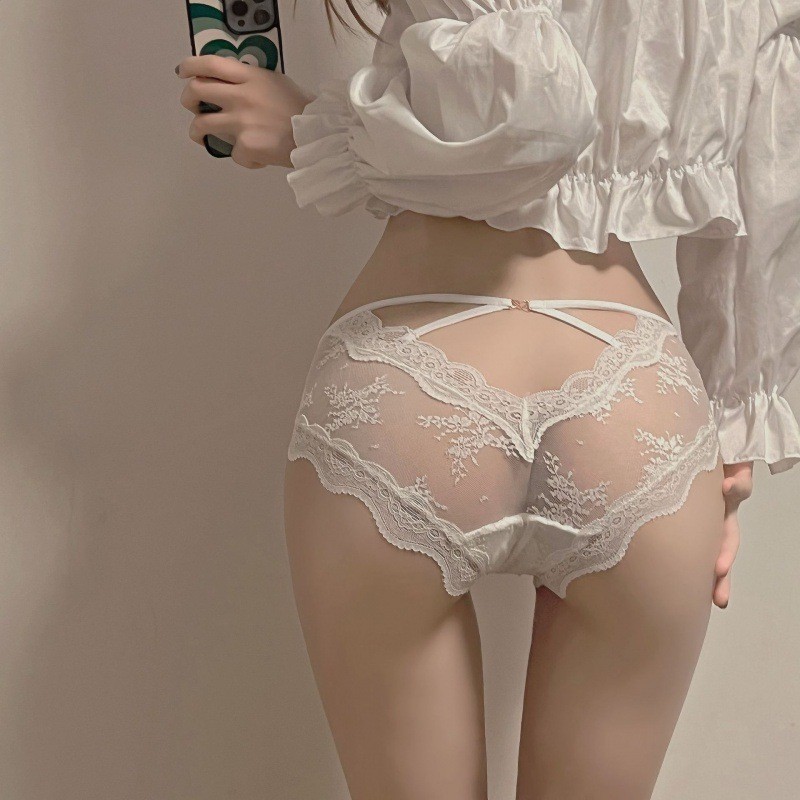
If you’ve ever been curious about trying thongs but felt overwhelmed by conflicting advice, worried about discomfort, or put off by outdated narratives about what lingerie “should” be, you’re in the right place. This guide walks you through exactly how to choose a comfortable thong, with no pressure to conform to any look or standard, and no shame if it takes a few tries to find what works for you. Thongs are just one underwear option, no better or worse than any other style—they’re simply a choice for when you want to avoid visible panty lines, prefer less fabric during warm weather, or just like how they feel.
It’s normal to try 2-3 different styles before landing on one that feels like it disappears under your clothes. Fit varies widely between brands, cuts, and even fabric types within the same brand, so there is no universal “perfect” thong for every body. Every person’s preferences for coverage, tightness, and fabric feel are different, and all of those preferences are valid.
Start with Fabric: Pick What Matches Your Daily Routine
Fabric is the single biggest factor in how a thong feels against your skin, especially in Thailand’s warm, humid climate. There is no “best” fabric for everyone—what works for a casual day running errands may not work for a long workday, a workout, or a special occasion. Use this quick reference to match fabric to your needs:
| Fabric Type | Best For | What to Know |
|---|---|---|
| 100% cotton (or cotton blend with 5%+ spandex for stretch) | Daily wear, warm weather, sensitive skin | Breathable, soft, and holds up well to regular washing. Avoid 100% cotton with no stretch for active days, as it may shift out of place. |
| Microfiber (nylon/spandex blend) | Form-fitting clothes, long days sitting at a desk | Smooth, lightweight, and less likely to show lines under tight fabrics. Look for breathable weaves if you run warm. |
| Modal or bamboo rayon | Softness preference, lounging, sleep | Extra soft against skin, with good moisture wicking, but may stretch out faster than cotton or microfiber with regular wear. |
| Lace | Occasional wear, when you want a decorative look | Look for flat, soft lace with no scratchy trim along the edges. Avoid rigid, non-stretch lace for all-day wear, as it may dig in or chafe. |
As a general rule, skip any fabric that feels stiff, scratchy, or overly thick when you hold it up in the store or unbox it for the first time. If it doesn’t feel soft against the sensitive skin on your inner wrist, it won’t feel comfortable worn for hours. You can browse a wide range of everyday fabric options in our panties collection to see what styles align with your preferences.
Waistband Fit: No Digging, No Rolling, No Sliding
An ill-fitting waistband is the most common reason thongs feel uncomfortable, and it has nothing to do with your body— it’s just a mismatch between the band style and your shape. There are three main waistband styles to consider:
- Wide, flat elastic bands: These sit smoothly against the skin and distribute pressure evenly, making them a great pick for first-time wearers. They are less likely to roll down or dig in during movement, especially if you move a lot throughout the day.
- Thin elastic or string bands: These are lightweight and minimal, but they may dig into the skin if the fit is too tight, or slide if the fit is too loose. They work well for people who prefer as little fabric around the hips as possible.
- High-rise or mid-rise fabric bands: These sit at or above your natural waist, and often feel more secure for people who do not prefer low-rise underwear cuts. They are less likely to shift when you bend or stretch.
When trying on a thong, the waistband should sit flush against your skin without leaving deep indentations after 5-10 minutes of wear, and it should not roll down when you bend over or sit down. If it does, that is a sign the size or cut is not right for you, not a sign you need to size up or down arbitrarily. Remember that every brand uses different elastic tension, so a size that fits perfectly in one brand may feel too tight or too loose in another. We recommend cross-referencing your measurements against our size guide as a starting point, not a hard and fast rule.
Gusset Design: The Small Detail That Makes All the Difference
The gusset is the lined panel in the crotch of the underwear, and it is one of the most overlooked parts of a comfortable thong. Here’s what to check for:
- Gusset width and length: The gusset should sit fully against your body without shifting to the side during regular movement. If the gusset is too narrow, it may rub or chafe; if it is too wide, it may bunch up. Gusset size varies a lot between thong cuts—low-rise thongs often have narrower gussets, while mid-rise and high-rise styles usually have wider, more stable panels.
- Gusset fabric: Most people find a cotton-lined gusset the most comfortable for daily wear, regardless of the outer fabric of the thong. Avoid styles where the gusset is made of the same non-breathable synthetic fabric as the rest of the garment if you plan to wear it for long stretches.
- Seam placement: Look for thongs with flat, bonded seams or no seams along the edges of the gusset. Raised, stitched seams that sit directly against sensitive skin can cause irritation over time, especially in hot weather.
You don’t need to “get used to” a gusset that rubs, bunches, or sits in the wrong place. That is just a sign that particular style is not a match for your body.
Sizing: Measure First, Ignore Size Number Stress
Sizing for thongs follows the same principle as all other underwear, but it is common to feel unsure about what size to pick when trying a style for the first time. The best starting point is to take two quick measurements at home, over thin underwear, with a soft measuring tape:
- Measure around the fullest part of your hips, usually 20-23cm below your natural waist, keeping the tape parallel to the floor and snug but not tight.
- Measure around your natural waist, where your pants usually sit, if you prefer high-rise or mid-rise styles.
Compare those measurements to the brand’s specific size chart, rather than assuming your usual size in another brand will fit the same way. It is completely normal to wear two different sizes across two different brands, or even across two different styles from the same brand. If you are between sizes, consider your personal preference: if you like a more snug fit, pick the smaller size; if you prefer a little more room and hate tight waistbands, pick the larger size. There is no “right” preference.
It is also helpful to think about the cut of the thong when choosing a size:
- Traditional thongs have a wider back panel that sits between the buttocks, with more coverage around the hips, making them a great first pick for most people.
- G-strings have a much thinner back string and minimal side fabric, which some people find less comfortable for all-day wear if they are used to more coverage.
- Seamless thongs have cut edges rather than stitched hems, which lie flat under clothes but may run slightly more snug than stitched styles depending on the brand.
Once you find a thong that fits well, be sure to follow proper care instructions to keep the fabric soft and the elastic from stretching out prematurely. Our lingerie care guide has simple tips to make all your underwear last longer, regardless of fabric type. You can also coordinate your new thongs with comfortable everyday styles from our bras collection for a full set that feels good from top to bottom.
When you’re ready to start trying styles, remember there is no pressure to love thongs, or to wear them for any occasion other than the ones you choose. If you try a thong and it doesn’t feel right, you can always go back to your favorite boxer briefs, boyshorts, or bikinis—lingerie is all about what makes you feel comfortable, not what anyone else says you should wear. A great next step is to grab 2-3 different styles and fabrics in your measured size to try on at home, so you can compare what feels best for your body without rushing.
Frequently asked questions
How do I prevent thongs from rolling down during the day?
Rolling usually happens due to a mismatch between waistband height, elastic tension, and your body shape, not a sizing error. Try a mid-rise or high-rise style with a wider flat waistband, and make sure the band sits flush against your skin without being overly tight.
Is it normal to feel aware of a thong when I first wear it?
It is common to notice the lighter fabric for the first 1-2 wears, but it should not feel painful, itchy, or like it is rubbing. If you are still aware of discomfort after a few hours of wear, that style or cut is likely not a good match for you.
Can I wear thongs during workouts?
You can if you find a style made of moisture-wicking, stretchy fabric with a secure waistband that does not shift during movement. Opt for a style with a cotton gusset for breathability, and avoid loose or thin string styles that may slide out of place mid-workout.
How long should a comfortable thong last with regular wear?
With proper care, most thongs will maintain their stretch and shape for 6-12 months of regular wear. If you notice the waistband stretching out, fabric pilling, or seams fraying, it is time to replace them, as stretched fabric will not sit comfortably or securely.
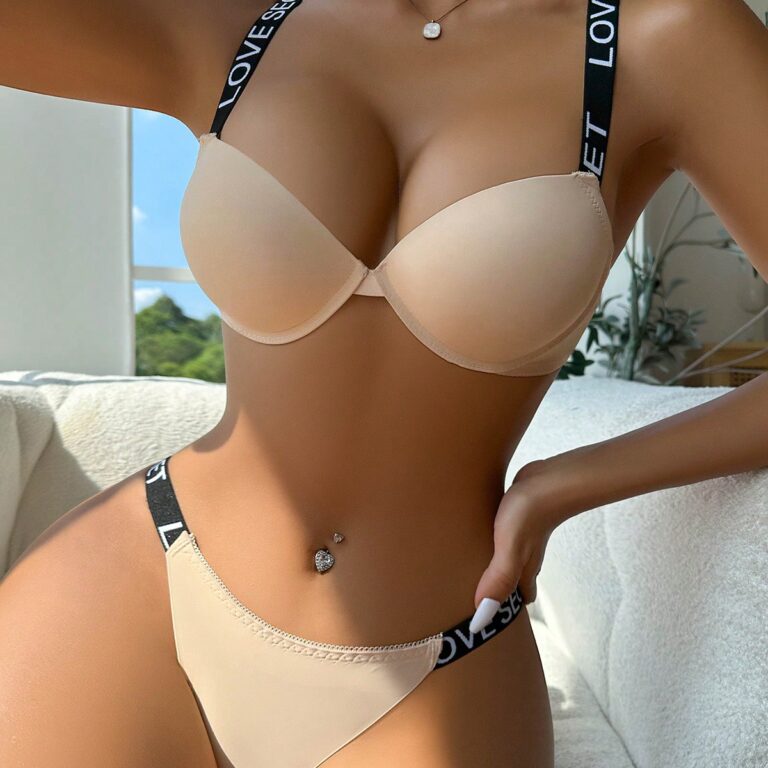 Matching Lingerie Sets for Everyday Wear: Practical Picks for Color, Coverage, and Fabric
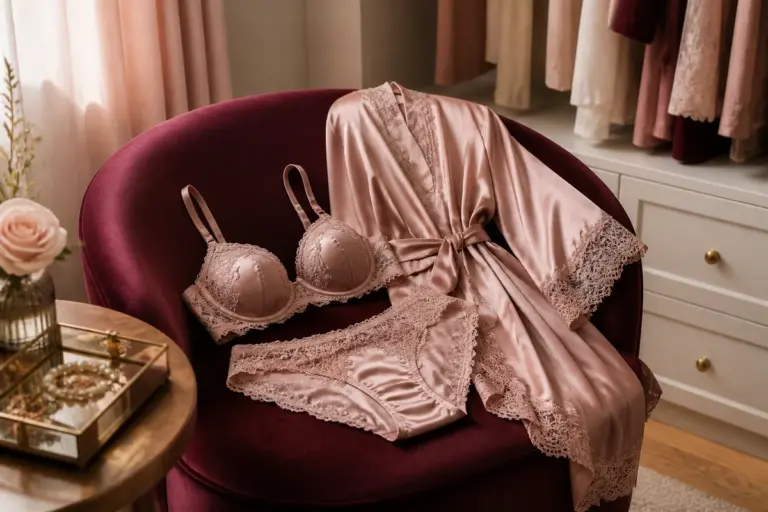 How to Choose Sexy Lingerie: A Body-Neutral Beginner Guide for Comfort and Confidence
 Build Your Essential Lingerie Wardrobe for Work, Weekends & Special Outfits