


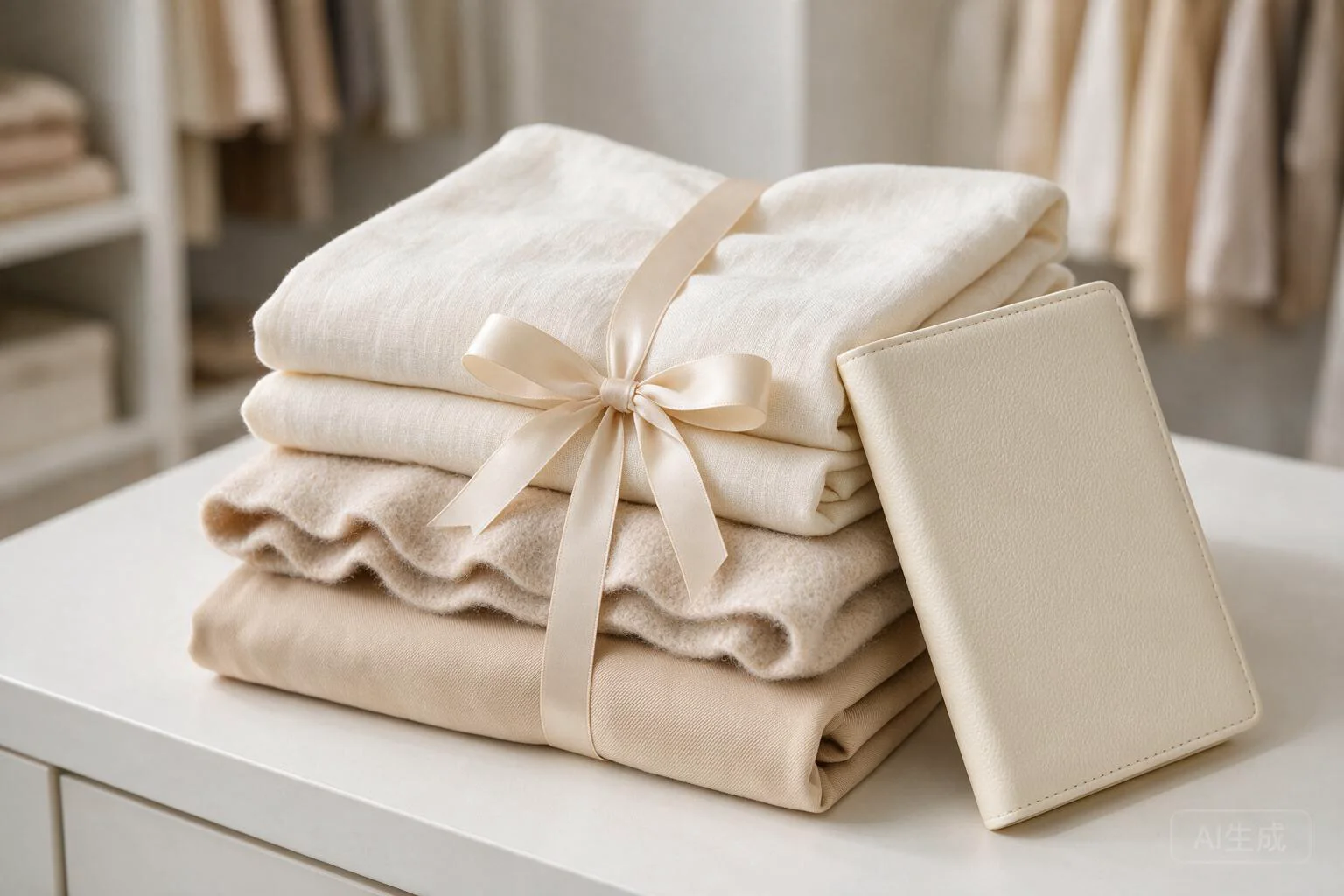
Learning how to mix and match lingerie can turn a small collection into a flexible wardrobe. Instead of waiting until you own an exact set, you can create coordinated looks using colour families, texture, hardware and coverage. The result is a combination that feels considered, comfortable and personal.
This guide is written for adult women in Thailand who want practical styling ideas without pressure. Fit always comes first, and fit varies by brand and style, so treat every size chart as a starting point rather than a promise.
How to mix and match lingerie using colour families
Colour is often the quickest way to make two separate pieces look connected. You rarely need an exact shade match. Instead, think in colour families and let one shared undertone do the work. Warm colours such as blush, terracotta, deep wine, cocoa and soft rust tend to sit well together. Cool colours such as charcoal, dusty blue, mauve, grey and navy create a calmer contrast. Neutrals such as black, ivory and warm brown can bridge almost any combination.
- Warm family: blush, warm nude, terracotta, deep wine, soft brown, rust.
- Cool family: black, charcoal, dusty blue, mauve, cool taupe, navy.
- Neutral bridges: black, ivory, soft grey, warm brown.
Use the table below as a starting point. Exact colour names vary by brand, so rely on what you see in person or in clear product photos.
| If your bra is | Try it with panty colours | Why it can work |
|---|---|---|
| Deep wine | Blush, warm nude, terracotta, black | Warm undertones hold the combination together |
| Dusty blue | Charcoal, grey, soft lavender, ivory | Cool and neutral tones create gentle contrast |
| Black | Most colours, especially deep wine, emerald, soft blush | Black acts as a strong neutral anchor |
| Soft blush | Deep wine, cocoa, warm ivory, soft brown | Tonal depth keeps the look soft but defined |
Start with fit, then play
Before working on combinations, check that each piece fits comfortably on its own. A bra and a panty may fit differently even when they come from the same brand, because shapes, elastics and construction differ by style. Use the size guide as a reference, then adjust for how the band, straps, leg openings and waistband feel when you move.
If one piece is not comfortable, the most beautiful colour combination will not feel good to wear. It is okay to size up or down between styles, and it is normal for your measurements to shift over time.
Use texture as a connecting detail
Texture gives you another way to coordinate when colours are not exact. A lace bra and a simple solid panty can look intentional if the panty has a lace edge or a similar soft finish. Likewise, smooth microfiber can anchor a heavily textured top. The goal is to repeat one texture or create an obvious contrast without making either piece feel out of place.
Simple texture pairings to try
- Lace bra and sheer mesh panty: airy and detailed, especially when the lace pattern is similar.
- Microfiber bra and smooth cotton-modal panty: a soft, everyday combination that still looks put together.
- Shine or satin bra and matte waistband panty: polished without looking too matched.
- Embroidered bra and plain solid panty: lets the embroidery become the focal point.
Patterns and prints: one focal point at a time
If you want to mix a printed bra with a different bottom, keep one piece solid or use a shared colour from the print. For example, a floral balconette with deep wine and blush can pair with a solid deep wine brief, or a dark floral high-waist panty can pair with a black bra. If both pieces have busy patterns, the eye may not know where to rest. One focal point often makes the combination feel more coordinated.
- Printed bra + solid panty in a colour pulled from the print.
- Solid bra + printed panty with a repeated neutral.
- Two small-scale patterns can work if they share a light or dark mood, but keep the rest simple.
- When in doubt, add a solid layer such as a lightweight robe in a neutral tone.
This does not mean patterns are forbidden. It means you can control the balance by letting one piece lead.
Coordinate hardware instead of exact pieces
Hardware includes the small metal or plastic details on straps, rings, sliders, hooks and decorative charms. You do not need every piece to come from the same collection. Repeating a similar finish in one visible place is often enough.
- Gold-tone hardware often works well with deep wine, cocoa, warm ivory, blush and black.
- Silver-tone hardware often works well with charcoal, grey, dusty blue, mauve and cool black.
- Matte black hardware can anchor black, wine, olive and deeper jewel tones.
- No visible hardware is the easiest piece to mix because nothing competes with the rest of the look.
If you want to mix metal tones, repeat the mixed finish somewhere subtle or keep one piece hardware-free. The combination should feel deliberate, not accidental.
Balance coverage and proportions
Coverage is another styling tool. When one piece is minimal, you can balance it with a more structured or longer piece so the overall look feels cohesive. There is no rule about which body type should wear which coverage. Choose what feels secure, comfortable and appropriate for your day.
- High-waist brief + short bralette or underwire bra: a balanced high-low shape.
- Low-rise thong or brief + longline bra or high-neck bralette: adds structure up top.
- Full-coverage bra + cheeky or mid-rise panty: relaxed but coordinated.
- Minimal bottom + more supportive top: works when the top becomes the focus.
Coverage needs can change with the day, outfit and your comfort level. Treat this list as inspiration rather than instruction.
Build a small mix-and-match collection
If you are starting from scratch or refreshing a drawer, choose a few pieces that can work together. You do not need dozens of items. Start with neutral bottoms, one or two accent colours and one textured detail.
- Choose a neutral anchor such as black, ivory, warm brown or soft grey.
- Add one warm accent you enjoy, such as deep wine or blush.
- Add one cool accent you enjoy, such as dusty blue or charcoal.
- Choose bottoms with simple hardware or no visible hardware.
- Add one lace or mesh piece for texture.
- Try four combinations from what you already own before buying anything new.
This approach keeps the budget flexible and helps you learn which combinations you actually reach for.
Putting it together
Try standing in front of a mirror only after you have checked fit by moving around. Raise your arms, sit, bend forward and walk for a few minutes. If a strap digs, a leg opening rolls or a band shifts, return to fit before styling. Small adjustments can change how a combination feels more than a colour change can.
Once the fit feels stable, look at the overall combination and ask three questions:
- Do the colours share a family or a neutral bridge?
- Is there one repeated texture or hardware finish?
- Does the coverage feel balanced for your comfort and outfit?
A quick coordination checklist
- Colour family or neutral bridge is present.
- Texture is repeated or clearly intentional.
- Hardware finish is repeated or absent.
- Coverage feels secure and balanced for you.
- Each piece fits well on its own by brand and style.
Use this checklist when a combination feels slightly off. Often the issue is not the colour itself but a missing shared detail or a fit adjustment.
Next step
Open your current lingerie drawer and separate pieces into warm, cool and neutral groups. Try one combination using only what you already own, then wear it for a short morning at home to see how it feels. If you want to add a new shape or check how a different brand fits, browse the bra collection and panty collection with your current measurements, and treat the size chart as a starting point. For longer wear, follow the lingerie care guide so the colours and textures stay easy to mix over time.
Frequently asked questions
Do I need to buy bras and bottoms from the same brand to mix and match lingerie?
No. Fit varies by brand and style, so it is more useful to focus on colour, texture, hardware and coverage. Check the size guide as a starting point and try each piece on before planning combinations.
Can I mix gold-tone and silver-tone hardware in one lingerie look?
Mixed metal finishes can look intentional if the finish repeats elsewhere or if one piece has no visible hardware. When in doubt, choose one metal tone for the visible rings, sliders and strap details.
How do I pair colours that are not the same shade?
Use a colour family such as warm earth tones or cool grey-blues, or add a neutral bridge such as black, ivory or soft brown. The goal is coordination, not an exact match.
What if my bra and panty sizes fall into different size chart brackets?
That is normal. Size charts are starting points, and each brand or style can fit differently. Choose each piece for its own fit and comfort rather than expecting one size to work across all items.
 How to Avoid Visible Panty Lines: Fabric, Cut, Edge and Fit Tips
 Robe vs Kimono Sleepwear: Cut, Sleeve, Closure, Fabric and Layering
 How to Style Sheer Lingerie: Tasteful Layers and At-Home Looks