


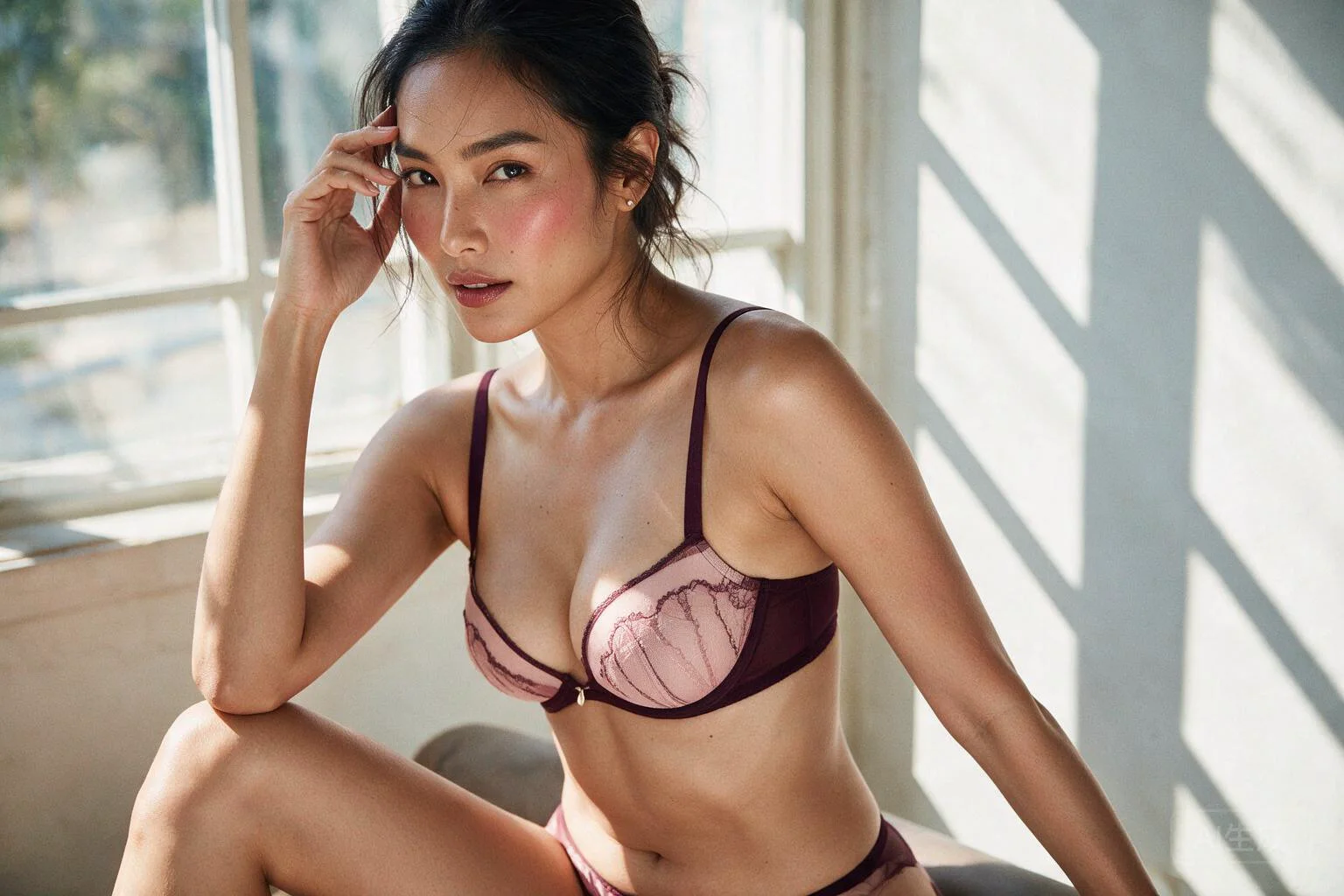
If you are trying to decide between a one piece swimsuit vs bikini, the right choice usually comes down to how you will move, what kind of coverage you want, and how much adjustability you need. In Thailand, where swim days can include pool laps, sandy beaches, boat trips, and resort lounging, both styles have a place. Neither one is inherently better; they simply make different trade-offs.
This guide walks through five practical factors: activity, adjustability, coverage, packing, and personal style. Use it as a starting point rather than a strict rulebook. Fit varies by brand, cut, and fabric, so even a size you know well can feel different in a new label.
One piece swimsuit vs bikini: quick comparison
| Factor | One piece swimsuit | Bikini | Often better when |
|---|---|---|---|
| Activity level | Feels secure for swimming laps, water sports, and active play | Works for lounging, wading, and light swimming; can be active with secure cuts | One piece for high movement; bikini for low to moderate movement |
| Adjustability | Usually fixed torso length once you choose a size | Top and bottom can be adjusted separately | Bikini if you often need different sizes on top and bottom |
| Coverage | Often more continuous coverage across the torso | Coverage depends on the top and bottom cut | One piece for full torso coverage; high-waist bikini for flexible coverage |
| Packing | Slightly bulkier when wet, one full garment | Smaller pieces, easier to mix and dry | Bikini for light packing and quick changes |
| Personal style | Can feel sleek, elegant, or athletic | Can feel playful, minimal, or polished | Depends on the look you want |
Activity: match the suit to your movement
Start with the most common way you will spend your time in the water. A one piece often feels more secure when your whole torso moves as one unit, because there are no separate pieces to shift. A bikini can feel lighter and easier to adjust during lower-movement activities, especially in Thailand’s heat.
Here is a practical way to think through common scenarios:
- Swimming laps or training: A one piece usually stays put through long repetitive movement. Look for a secure back and straps that do not dig into your shoulders.
- Open-water swimming, paddleboarding, or kayaking: A secure one piece or an adjustable sport bikini both work. The key is freedom around your arms and shoulders.
- Beach walking and snorkeling: Either style can work. If you are putting on and taking off a snorkel vest, a connected one piece may reduce strap adjustments.
- Lounging, sunbathing, and resort pools: A bikini gives easier separation for tan lines and can be cooler. A one piece with a low back or cutouts can still feel open.
If you are still unsure, think about your last swim day. Were you adjusting sliding fabric or tugging at straps? That discomfort is often a signal about activity needs, not about your body.
Adjustability and fit: why one size chart cannot tell the whole story
The biggest practical difference between a one piece swimsuit vs bikini is how you can adjust the fit after purchase. A bikini lets you choose the top and bottom separately, which helps if your bust and hip measurements fall into different standard sizes. A one piece is a continuous garment, so the torso length, bust cup, waist, and hip all need to work together on your frame.
That does not make a one piece difficult—it simply means you should read the product details carefully. Different brands grade sizes differently, and a Thai, US, UK, EU, or local label may each use different cup assumptions and hip curves. Treat every size chart and conversion as a starting point only. For help measuring, visit the For Her Secret size guide.
When comparing swimwear, look for these adjustability features:
- Adjustable straps: They change the length and lift without changing the main garment.
- Removable cups or soft padding: They alter the bust shape and support feel without changing the size.
- Clasp, hook, or tie closures: They allow a more tailored fit around the underband, neck, or back.
- Fabric stretch notes: A suit may stretch, but the listed size is still only a starting point.
If you prefer a more bra-like fit, some swimwear styles borrow construction ideas from lingerie, such as underwired cups or adjustable bands. You can compare current options in the swimwear collection.
Fit checklist for any swimsuit
- Measure your bust, underbust, waist, and hips while wearing light clothing.
- Compare each measurement separately instead of choosing based on one body part.
- Read product descriptions for notes like ‘adjustable straps,’ ‘high leg,’ or ‘model wears size.’
- If you are between sizes, consider which part of the suit is hardest to alter—a bikini top may be easier to adjust than a one piece torso.
Coverage: choose what feels comfortable to you
Coverage is personal and practical. It can mean sun protection, a more contained feel, or simply the look you enjoy. In Thailand’s sunny climate, you may also want to think about how much skin you are comfortable exposing for long periods. Neither option is superior; it depends on the cut.
A one piece generally gives more continuous coverage across the stomach, torso, and back. That can be helpful for active swimming or all-day sun exposure. A bikini can also provide substantial coverage when you choose a high-waist bottom, a longline top, or a fuller brief. Use this table as a neutral starting point:
| Coverage level | One piece examples | Bikini examples |
|---|---|---|
| Minimal | High-cut leg, low back, cutouts, deep neckline | Triangle top, low-rise bottom, side-tie brief |
| Moderate | Scoop neck, classic leg, medium back | Bandeau or bralette top, mid-rise bottom |
| Full | High neck, racerback, boyleg or fuller brief | High-neck top, high-waist bottom, fuller brief |
For extra sun protection, pair either style with a light cover-up, rash guard, or wide-brim hat. Keep in mind that coverage can vary widely within both categories. Always check the cut and product photos rather than relying only on the name ‘one piece’ or ‘bikini.’
Packing and drying: small choices that change your trip
Thailand’s humidity means damp swimwear may not dry quickly in a hotel room or beach bag. This can influence whether you prefer to pack multiple lightweight bikini separates or one or two well-chosen one pieces.
Bikinis usually pack down smaller because the pieces are separate. They also allow you to create multiple looks with fewer total items—for example, two tops and two bottoms can give you several combinations. One pieces take up more space and can hold more water after swimming, but they are still easy to pack if you roll them and keep them in a breathable pouch.
A simple packing routine:
- List your water activities for the trip.
- Pick one base style that matches the most frequent activity.
- Add a second style for variety or backup.
- Bring a lightweight dry bag or reusable waterproof pouch for used swimwear.
- Rinse your suits with clean water after saltwater or chlorine and dry them flat in the shade when possible.
For more washing and drying tips, see the lingerie care guide. Many gentle care habits are similar for delicate swimwear.
Personal style: feel like yourself, just by the water
Style is often the final tiebreaker after you have considered activity, fit, and coverage. A one piece can feel sleek, elegant, or athletic depending on the neckline, back, and leg cut. A bikini can feel playful, minimal, or polished depending on the print, hardware, and whether the top and bottom are sold together or separately.
In Thailand, swimwear is often part of a larger resort look. You might prefer:
- A one piece with a softly gathered waist or elegant open back for poolside lunches and evening dips.
- A bikini with a high-waist bottom and wrap-style top for an easy transition from beach to market.
- A mix—a one piece for active boat days and a bikini for slower lounging afternoons.
There is no need to choose permanently. Many women own both styles and rotate them based on the trip, the activity, and their mood. The goal is to feel at ease, not to fit a single category.
Next step: choose based on your real plan, not a label
Before you choose a swimsuit, write down three things: the activity you will do most, the coverage level you prefer, and whether you want separate sizing for your top and bottom. Then filter styles by those features rather than by the words ‘one piece’ or ‘bikini’ alone.
When you are ready to compare options, visit the swimwear collection and use your three notes to narrow the choices. The best swimsuit is the one that keeps you comfortable, secure, and free to enjoy the water.
Frequently asked questions
Is a one piece swimsuit always better for swimming laps than a bikini?
Not always. A one piece often stays in place well because the torso is connected, but a bikini with a secure adjustable underband, high neck, or sport cut can also work. The best choice depends on the specific cut and your fit.
Can I mix bikini top and bottom sizes?
Yes, many bikini styles are sold as separates or allow you to choose different top and bottom sizes. Use your current measurements and read each product description because size charts vary by brand and are a starting point only.
Which style packs better for a beach weekend in Thailand?
A bikini generally packs smaller and gives you more mix-and-match options with fewer full suits. A one piece can still be practical if you roll it and bring a dry bag for damp swimwear after use.
Do one piece swimsuits always give more coverage than bikinis?
Not in every case. A high-neck one piece with a full brief gives more continuous coverage, but a high-waist bikini with a longline top can provide similar coverage. Always check the product photos and cut details.
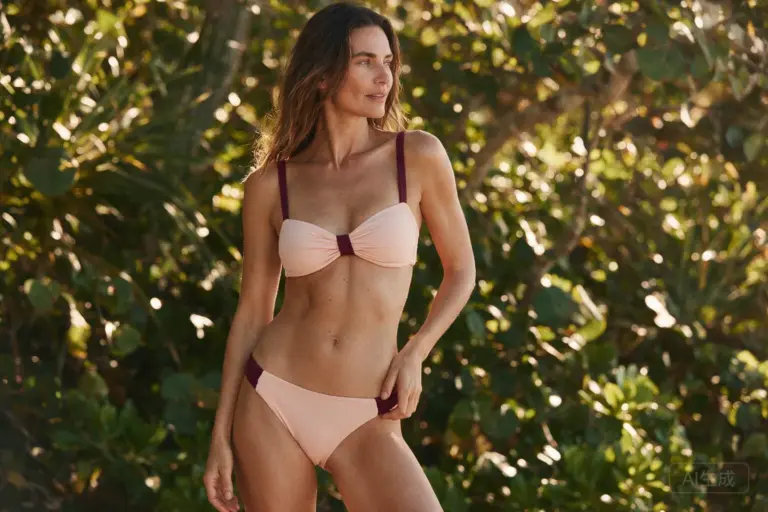 How Should a Bikini Fit? Your Go-To Guide for Tops, Bottoms, and All-Day Comfort
 How to Pick the Best Breathable Underwear for Hot Weather in Thailand
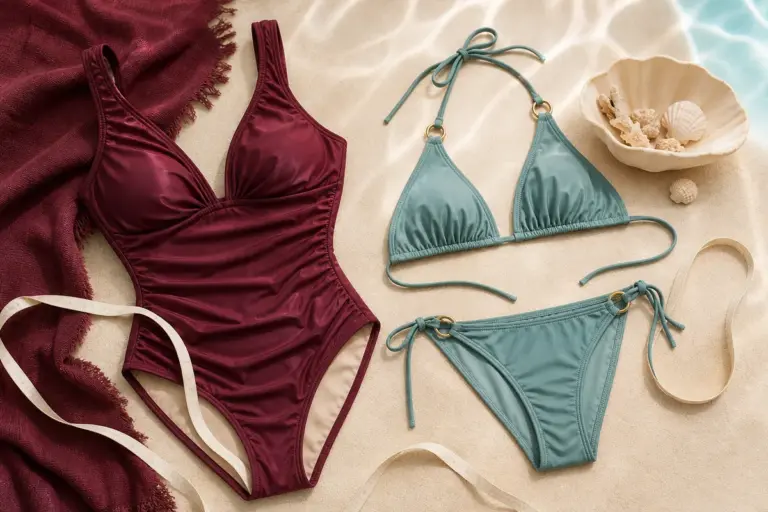 How to Choose Swimsuit Size: A Practical Fit Guide for One-Pieces and Bikinis in Thailand